Everyday Superfoods and How to Add Them to Your Meals
Everyday superfoods sound like something exotic, but the truth is much simpler. The word “superfood” is a marketing term, not a scientific category, and it usually describes foods that pack a lot of nutrients into every bite. Many of these foods are familiar, affordable and easy to find in a regular grocery store. This guide looks at seven everyday superfoods — blueberries, salmon, spinach and leafy greens, nuts, Greek yogurt, oats and sweet potatoes — and explains what each one offers, plus simple ways to add them to meals you already enjoy.
What Are Everyday Superfoods?
A food earns the “superfood” label when it is especially rich in nutrients such as vitamins, minerals, fiber or healthy fats relative to its calories. That is a useful idea, but it is not a formal definition, and no official list of superfoods exists. A diet built mostly from whole, minimally processed foods — vegetables, fruit, whole grains, beans, nuts, fish and yogurt — gives your body a wide range of nutrients. The foods in this guide are everyday superfoods because they are nutrient-dense, widely available and easy to cook with. The Harvard Nutrition Source explains the science in plain language.
Blueberries
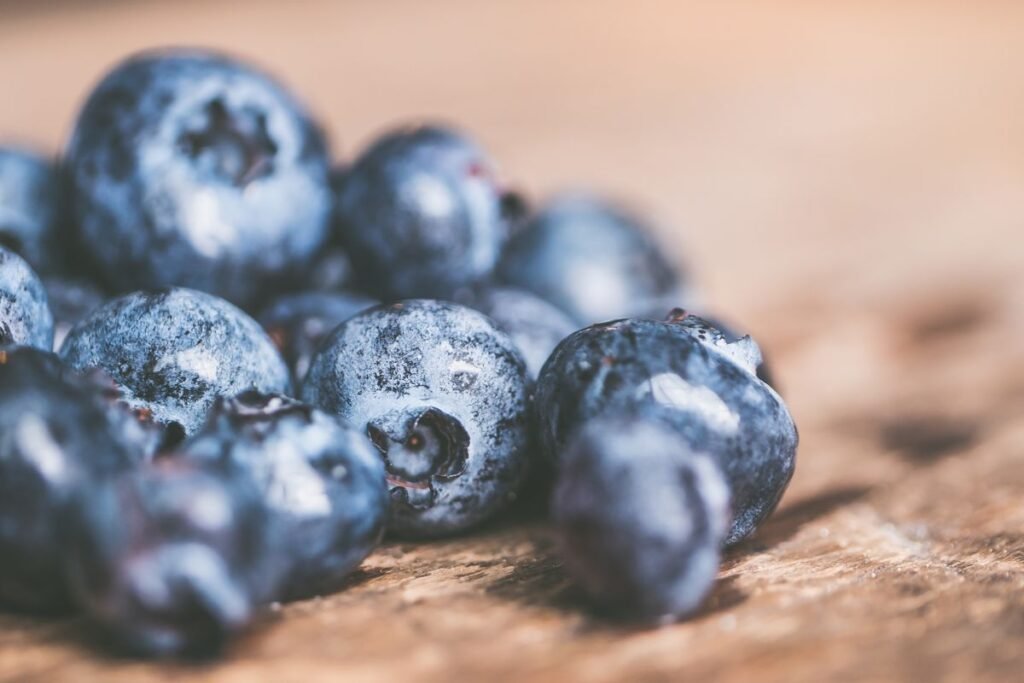
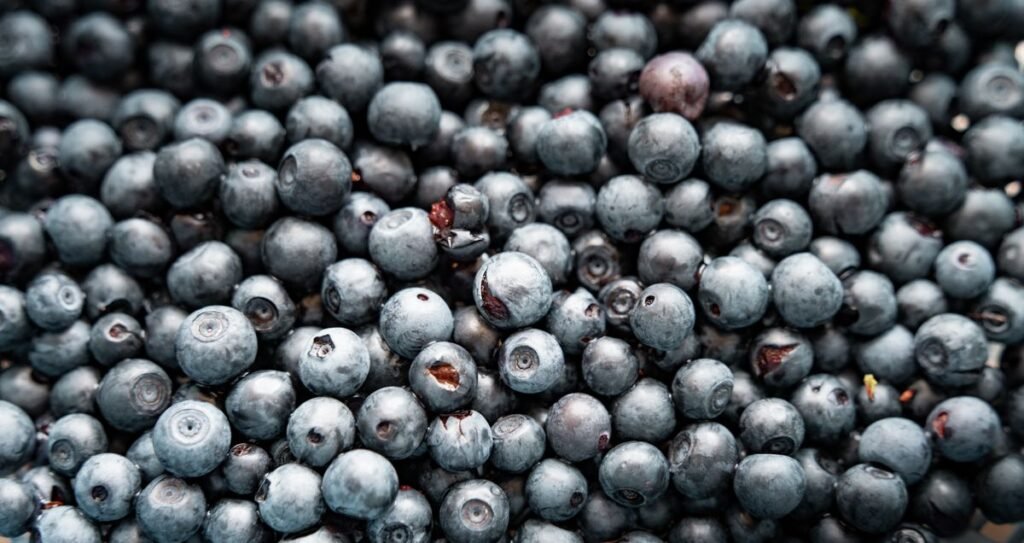
Blueberries are small, sweet and deep blue, and that color comes from natural plant compounds called anthocyanins, which give many blue and purple foods their color. Blueberries also provide fiber and vitamin C, and they are low in calories for their volume, so a generous handful adds flavor and texture without adding much energy. Fresh berries are great in season, and frozen blueberries are just as useful — they are picked and frozen at ripeness and work well in smoothies, oatmeal and baking. Try them stirred into yogurt, scattered over cereal or eaten straight from the bowl as a snack.
Salmon
Salmon is one of the best-known sources of omega-3 fats, the type of fat found in oily fish, and it also provides high-quality protein, vitamin D and selenium. Many dietary guidelines suggest eating fish twice a week as part of a varied diet, and salmon is an easy way to do that. Fresh fillets grill or bake in minutes, while canned salmon is a budget-friendly option for sandwiches, salads and fish cakes. If fresh salmon is out of reach, canned tuna or sardines offer similar benefits.

Spinach and Leafy Greens
Spinach, kale and other leafy greens are among the most nutrient-dense vegetables you can buy. They provide folate, vitamin K, vitamin C and calcium, along with fiber, for very few calories. A handful of spinach wilts down to almost nothing, which makes it easy to add to dishes without changing them much. Stir it into soups, pasta sauces and curries, blend it into smoothies, or use it as the base of a salad with nuts and fruit. Frozen spinach is inexpensive and keeps for months.
Nuts
Nuts such as walnuts, almonds and pistachios offer healthy fats, protein, fiber and minerals including magnesium. A small handful makes a satisfying snack that keeps you full between meals, and chopped nuts add crunch to salads, oatmeal and stir-fries. Walnuts are especially noted for their plant omega-3 fats. Because nuts are energy-dense, a small portion goes a long way — a palmful is a good general guide. Choose unsalted nuts when you can.
Greek Yogurt
Greek yogurt is strained to remove some of the whey, which leaves it thicker and higher in protein than regular yogurt. It also provides calcium and, in live-culture varieties, beneficial bacteria that support gut health in general terms. Plain Greek yogurt is the most versatile choice: use it in place of sour cream, stir it into sauces, or top it with berries and oats for breakfast. Flavored yogurts often contain added sugar, so check the label and add your own fruit for sweetness.
Oats
Oats are a whole grain rich in soluble fiber, including a type called beta-glucan, and they provide steady energy that helps you feel full through the morning. A bowl of oatmeal is one of the simplest healthy breakfasts, and it is easy to make your own: cook rolled oats with milk or water and top them with fruit, nuts or seeds. Overnight oats — oats soaked in milk or yogurt in the fridge — are a no-cook option for busy mornings.
Sweet Potatoes
Sweet potatoes are rich in beta-carotene, which the body converts to vitamin A, and they provide fiber, potassium and vitamin C. Their natural sweetness makes them popular with adults and children alike. Roast them in wedges with a little oil, mash them as a side dish, or bake them whole and fill them with beans and vegetables. They keep well in a cool, dark cupboard. Like other orange vegetables, they are a simple way to add color and nutrients to a plate.
Easy Ways to Add Everyday Superfoods to Your Meals
You do not need a new recipe book to eat more of these foods — small swaps work best. Add berries or nuts to your breakfast, throw a handful of spinach into a soup or pasta sauce, swap white rice for sweet potatoes once a week, or keep a tub of Greek yogurt in the fridge for snacks. Frozen and canned versions make it easier to keep these foods on hand without waste. If cost is a concern, our guide to healthy eating on a budget shares habits that keep good food affordable, and you can browse more ideas in our Superfoods guides.
A Few Honest Notes
It is worth keeping expectations realistic. No single food can make up for an unbalanced diet, and the “superfood” label is sometimes used to sell expensive products that are no healthier than ordinary foods. Variety matters more than any one item. Frozen and canned versions of these foods count, and they are often cheaper and just as nutritious as fresh. If you have a medical condition or take medication, ask your doctor or a dietitian before making big changes to how you eat.
Everyday superfoods are not exotic or expensive — they are familiar foods with a lot to offer. Blueberries, salmon, leafy greens, nuts, Greek yogurt, oats and sweet potatoes each bring something useful to the table, and they fit easily into meals you already make. Start with one or two, add them in small ways, and build from there. Learn more about Nutriova on our About Us page, and keep exploring simple ways to eat well.
This article shares general information only and is not medical advice. Please see our Disclaimer for more details.
Pingback: Key Vitamins and Minerals Your Body Uses Every Day
Pingback: Nuts and Seeds Nutrition Guide | Nutriova
Pingback: Green Leafy Vegetables: Simple Ways to Eat More Greens