Magnesium-Rich Foods to Add to Your Plate
Magnesium-rich foods are easier to find than you might think, and many of them are already part of everyday meals. Leafy greens, beans, nuts, seeds, whole grains, and even dark chocolate all bring magnesium to your plate in natural amounts. Magnesium is a mineral your body uses in many everyday processes, from helping muscles work normally to supporting steady energy. This guide explains what magnesium does in general terms, where to find it, and how to build meals that include it naturally, without supplements or special products.
What Magnesium Does in General Terms
Magnesium is involved in hundreds of processes in the body, and most of them go on quietly in the background. It helps muscles relax after they contract, supports normal nerve function, and plays a role in how your body turns food into energy. It also helps keep bones strong, working alongside calcium and vitamin D. Because it works behind the scenes, you rarely notice it — until you think about the foods that provide it. What matters most is the overall pattern of your meals, not any single ingredient. A varied diet with plenty of plant foods usually brings magnesium along with it, and that is why simple food choices matter more than chasing a single nutrient.
Magnesium-Rich Foods: Leafy Greens and Vegetables
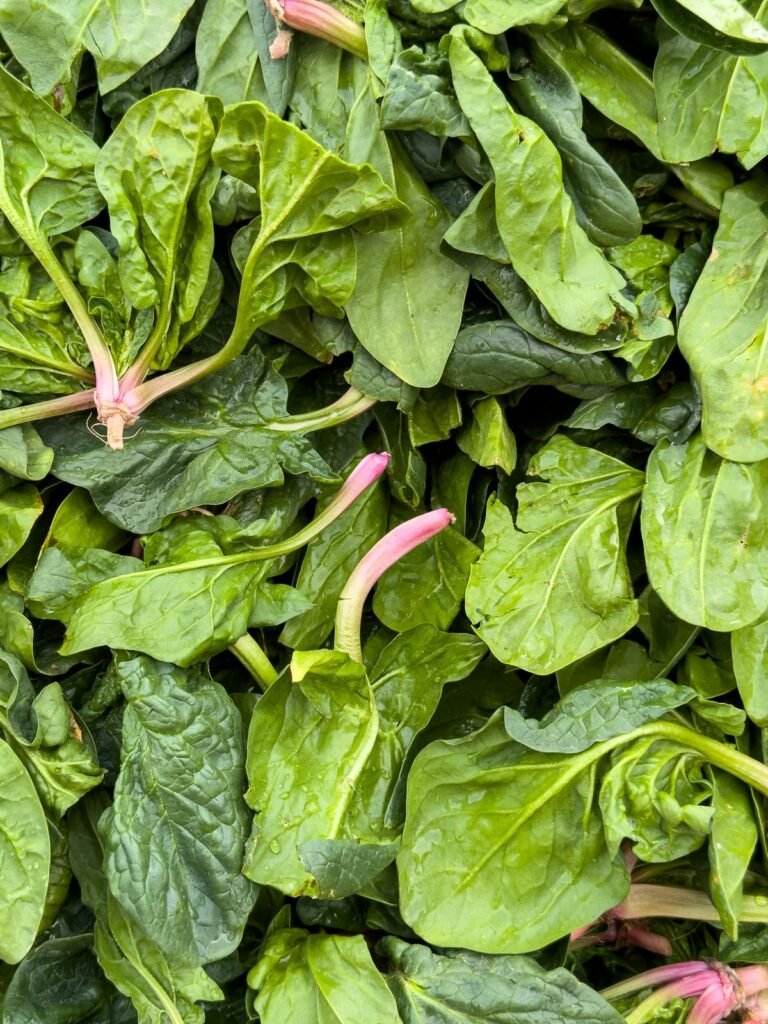
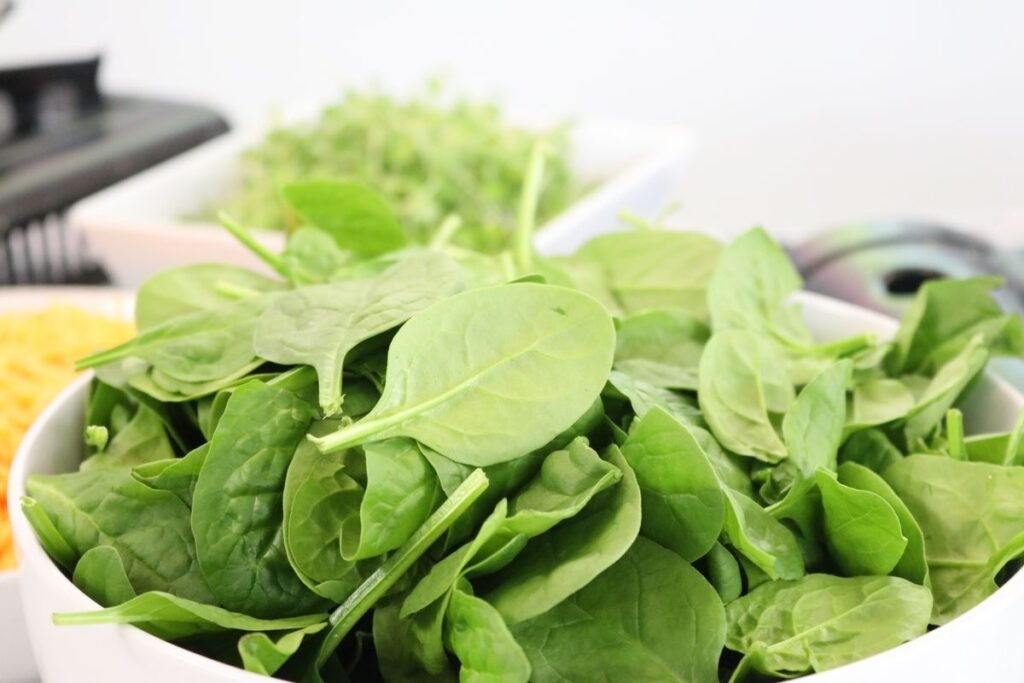
Leafy greens are some of the best-known magnesium-rich foods. Spinach, Swiss chard, and kale all contain magnesium in their leaves, and a simple side salad or a handful of spinach in a smoothie adds it easily. Cooked spinach is especially concentrated, since a cup of cooked leaves holds far more than a cup of raw leaves. Other vegetables that contribute include broccoli, potatoes with the skin on, and edamame. Adding a green vegetable to lunch or dinner is one of the simplest ways to include more magnesium-rich foods in your day. If greens feel boring on their own, try them in a soup, a stir-fry, or a pasta dish, where they blend in with flavors you already enjoy.
Beans, Nuts, and Seeds
Beans and legumes are another strong source of magnesium. Black beans, kidney beans, chickpeas, and lentils all provide magnesium along with fiber and plant protein, which makes them doubly useful in everyday meals. A bowl of bean soup or a lentil stew can add a meaningful amount to a single meal, and they are filling enough to keep you satisfied for hours. Nuts and seeds help too: pumpkin seeds are one of the richest sources, and almonds, cashews, and peanuts all contribute as well. A small handful of nuts as a snack, or a spoonful of seeds sprinkled on oatmeal or yogurt, is an easy habit to build. Keep portions modest, since a small handful is plenty, and rotate different nuts and seeds so you enjoy a wider mix of flavors and nutrients.
Whole Grains and Dark Chocolate
Whole grains round out the list of magnesium-rich foods. Brown rice, whole wheat bread, oats, and quinoa all contain magnesium that refined grains lose during processing. Choosing whole grain versions of foods you already eat is a simple swap that also brings more fiber to your meals. Dark chocolate also contains magnesium, and a small square after dinner is a pleasant way to enjoy it. Look for dark chocolate with a high cocoa content if you like a stronger flavor, and keep the portion small — a little goes a long way. Enjoy these foods as part of a varied diet, not as a fix for any health concern, and remember that the amounts you need depend on many personal factors.
Building Meals That Naturally Include Them
The easiest approach is to combine magnesium-rich foods you already like into meals you already make. A breakfast of oatmeal topped with sliced banana and pumpkin seeds covers two sources at once, and a handful of berries adds flavor and color. Lunch can be a whole grain wrap with black beans, leafy greens, and a little cheese. For dinner, try a stir-fry with broccoli and cashews over brown rice, or a spinach and bean soup with whole grain bread on the side. A piece of dark chocolate after a meal with nuts completes the pattern. None of this needs special shopping or a special diet — it is simply about choosing foods that already have magnesium in them and putting them together in ways that taste good.
A Sample Day of Magnesium-Rich Foods
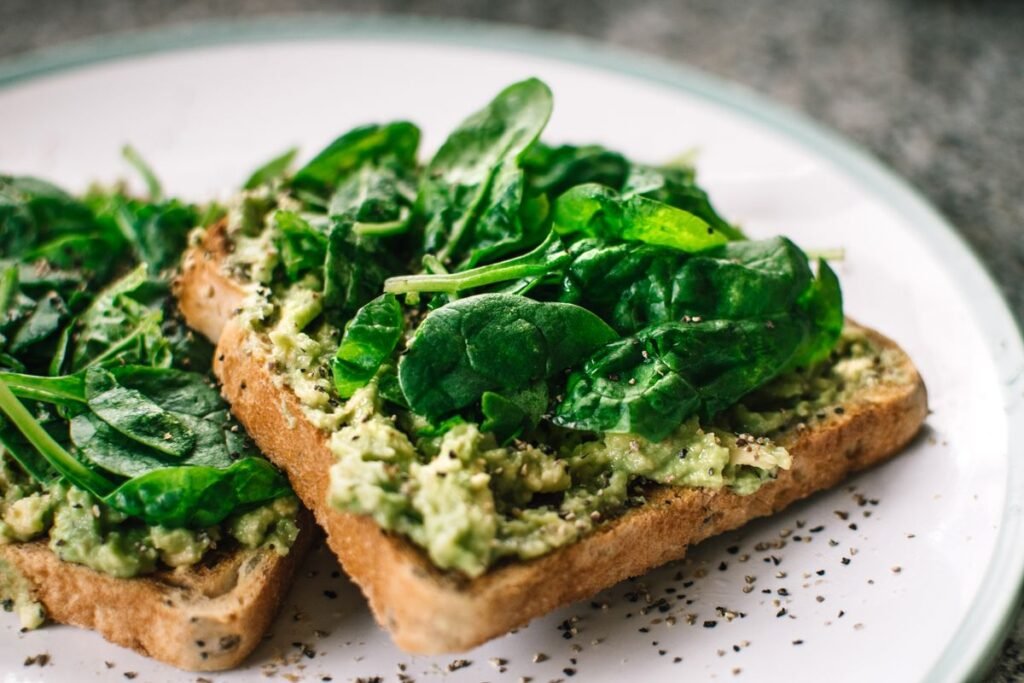
A sample day shows how easily these foods fit together. Breakfast can be oatmeal with pumpkin seeds and a sliced banana, plus a glass of milk or a yogurt on the side. For lunch, a quinoa salad with chickpeas, spinach, and a drizzle of olive oil brings three sources to one bowl. An afternoon snack of a small handful of almonds and a piece of dark chocolate is both satisfying and simple. Dinner might be a bean and vegetable soup with whole grain bread, or a stir-fry with broccoli, cashews, and brown rice. Each meal adds a little magnesium, and by the end of the day you have enjoyed a wide mix of foods. The goal is not to count amounts — it is to make magnesium-rich foods a normal part of meals you already enjoy cooking and eating.
When to Talk With Your Doctor
Questions about magnesium deficiency, testing, and supplements belong with a doctor, not with an article. If you are wondering whether you get enough magnesium, or you are thinking about taking a supplement, talk with your doctor or a registered dietitian first. They can look at your overall diet and health and give advice that fits you. Supplements are not the same as food, and they are not right for everyone — and they can interact with medicines you take. Remember that this article is general information only, and personal needs vary widely. A conversation with a professional is the safest way to get answers that apply to you.
Conclusion
Magnesium-rich foods are already all around you: leafy greens, beans, nuts, seeds, whole grains, and dark chocolate. Build meals around foods you enjoy, and the magnesium takes care of itself. For more ideas, explore our Vitamins & Wellness articles, and learn more about us on our About Us page. For a general guide to building balanced plates, see our Balanced Diet Basics article.
This article shares general information only and is not medical advice. If you have questions about magnesium or supplements, talk with your doctor or a registered dietitian. You can also read our Disclaimer.