
Omega-3 Basics: What It Is and Where to Find It in Food
You have probably heard that omega-3 fats are good for you, but what are they, and where do they actually come from? Omega-3 basics are simpler than the labels make them sound. Omega-3s are a family of healthy fats found in certain fish and in a few plant foods, and your body uses them in many everyday processes. This guide explains the main types in plain English, shows you where to find them in food, and takes a food-first approach, so you can make confident choices at the store and at the table.
What Is Omega-3, in Plain English?
Omega-3s are a type of polyunsaturated fat, which the body needs but cannot make enough of on its own, so they must come from food. There are three main types you will hear about. EPA and DHA are the two types found mostly in fatty fish and seafood, and they are the forms your body uses most directly. ALA is the type found in plant foods such as flaxseed, chia seeds, and walnuts; your body can convert a small amount of ALA into EPA and DHA, but the conversion is limited, which is why many general eating guides mention both fish and plant sources. You do not need to memorize these letters to eat well; it is enough to know that fish brings EPA and DHA, while plants bring ALA.
Your body puts these fats to work in several everyday ways. They are part of the membranes that surround your cells, and they play a role in the body’s normal responses to activity and in keeping tissues working smoothly. Because the body cannot make enough of them on its own, getting them from food regularly matters more than any single meal. That is the simple logic behind the food-first approach in this guide.
Fatty Fish: The Best-Known Source
Fatty, oily fish are the richest food sources of EPA and DHA. Salmon is the best known, and it works well grilled, baked, or flaked into salads and pasta. Other good choices include sardines, mackerel, trout, and herring, which are often more affordable than salmon and just as useful. Canned sardines and canned salmon keep well in the pantry and make quick lunches with whole-grain bread or crackers. White fish such as cod and tilapia are lean and healthy in their own right, but they contain much less omega-3 than oily fish, so they are not the same source. When you plan meals, think of oily fish as the omega-3 anchor of the week.
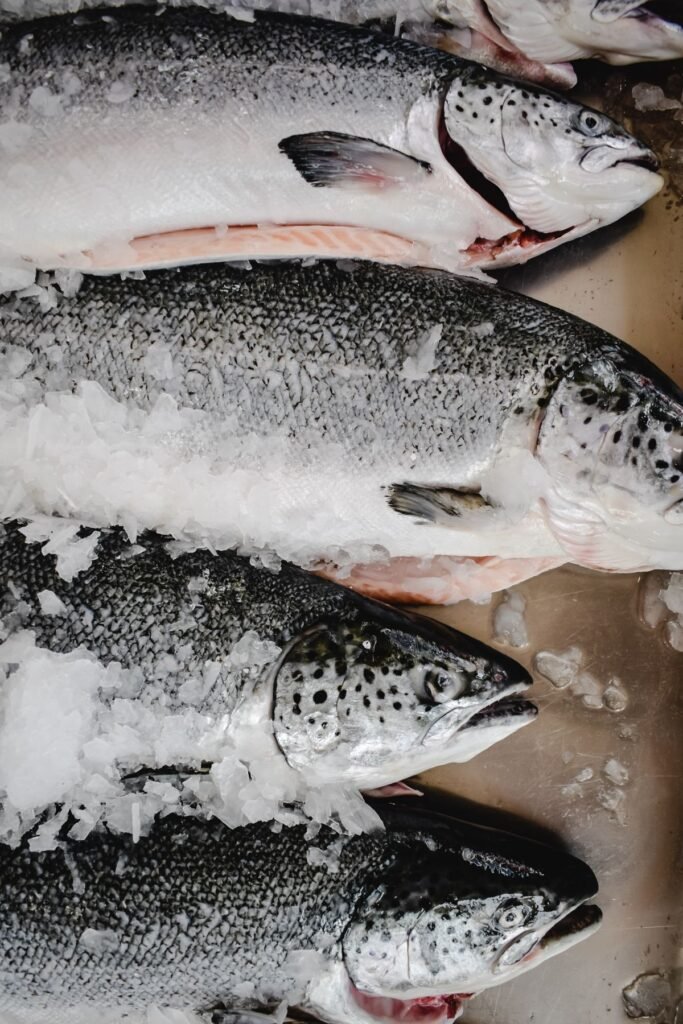
If fish is new to your table, start simply. A piece of salmon with roasted vegetables takes about the same time as cooking chicken, and a can of sardines on toast is a lunch in minutes. Frozen fish fillets are practical too; they keep for weeks and thaw quickly, and they make portioning easy when you need just one or two fillets.
Plant Sources: Flax, Chia, and Walnuts
If you do not eat fish, plant foods still offer omega-3s in the form of ALA. Ground flaxseed is one of the richest plant sources, and a spoonful blends easily into oatmeal, yogurt, or smoothies. Chia seeds work the same way and thicken into a pudding-like texture when soaked in milk or juice. Walnuts are the nut with the most ALA, and a small handful makes a handy snack or a crunchy topping for salads and oatmeal. Other plant foods, such as soybeans, edamame, and canola oil, contain smaller amounts of ALA that add up across the day. These foods bring fiber, protein, and other nutrients along too, so they earn their place in meals for more than one reason.

A Food-First Approach
When it comes to omega-3s, food comes first. A varied diet that includes fish a couple of times a week and plant sources most days covers the bases for most people, while also bringing protein, fiber, and other nutrients with it. That is a steadier and more enjoyable approach than relying on pills to make up for an otherwise empty diet. Canned fish, frozen fillets, and a bag of walnuts mean you can keep omega-3 foods on hand without a special shopping trip, which makes the habit easier to keep. Start by adding one fish meal a week and one plant source that you genuinely like, and build from there. If fish does not suit you, lean on flax, chia, and walnuts, and talk to a doctor or dietitian about what else might help.
What About Supplements?
Omega-3 supplements are widely sold, and they are a personal decision best made with a doctor. Some people consider them, for example if they rarely eat fish or follow a diet that excludes it, while others meet their needs comfortably through food. A doctor can explain the options, the forms available, and whether a supplement fits your health situation. If you do discuss supplements with a doctor, bring the products you are considering so the conversation is concrete. The rest of this guide focuses on food, which is where omega-3s start.
Easy Ways to Add Omega-3 Foods to Your Week
A few small habits make omega-3 foods a regular part of the week. Add a spoonful of ground flaxseed to your morning oatmeal or smoothie. Keep a bag of walnuts at your desk or in the car for a snack. Swap one meat-based dinner for salmon, sardines, or trout. Toss chia seeds into yogurt or overnight oats. Use a canola-oil dressing on salads. None of these habits requires a new recipe or a big shop. Pick one or two that sound easy, repeat them for a couple of weeks, and they will start to feel automatic.
A Simple Start
Omega-3 basics are straightforward: the fats come from fish and a handful of plant foods, with EPA and DHA from fish and ALA from plants. Eating fish a couple of times a week and adding flax, chia, or walnuts to everyday meals is a practical pattern that works for many people. Start with one change, keep it pleasant, and let food do the heavy lifting. For more ideas on building balanced meals, see our guide to Balanced Diet Basics: How to Build a Healthy Plate Every Day, browse the Vitamins & Wellness category, or visit the About Us page.
This article is for general information only and is not medical advice. For personal guidance, talk to your doctor or a registered dietitian. See our Disclaimer.