Healthy Eating on a Budget: Simple Habits That Save Money
Healthy eating on a budget is possible, and it starts with a plan rather than a bigger grocery bill. Many people think that eating well means buying expensive specialty foods, but the foods that form the base of a healthy diet are often the cheapest in the store. Beans, lentils, oats, eggs, frozen vegetables, and seasonal fruit cost far less than most packaged snacks and takeout meals. The real skill is not finding one magic food. It is planning meals, shopping with a list, and using what you buy before it goes to waste. This guide shares simple habits that save money while keeping your meals balanced and satisfying.
Healthy Eating on a Budget Starts With a Plan
A little planning saves more money than any coupon. Before you shop, look at what you already have in the fridge, freezer, and pantry, and plan three or four dinners around those foods. Then write a list for the missing ingredients and stick to it in the store. A plan also stops the daily question of what to cook, which often ends in a takeout order. Pick one day each week to plan, even if it is only fifteen minutes. Write down breakfasts, lunches, and dinners, and note the ingredients you need. Check the weekly sales before you plan, and build one or two meals around foods that are on sale that week. If you want a ready-made starting point, the USDA MyPlate guide shows how to build balanced meals from everyday foods, and it is free to use.
Build a Smart Grocery List
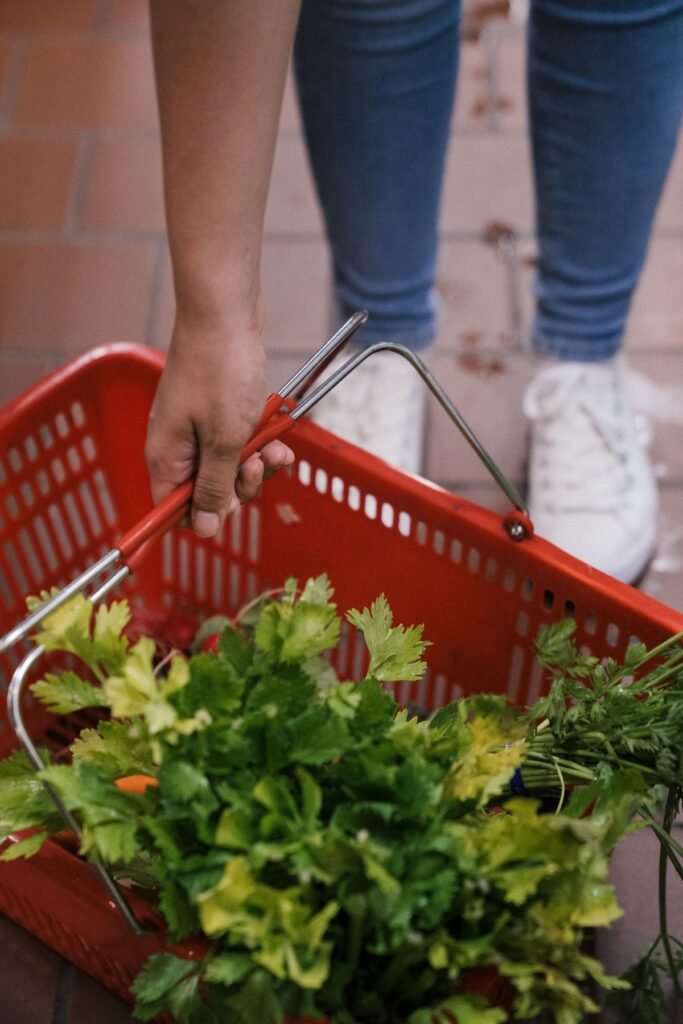
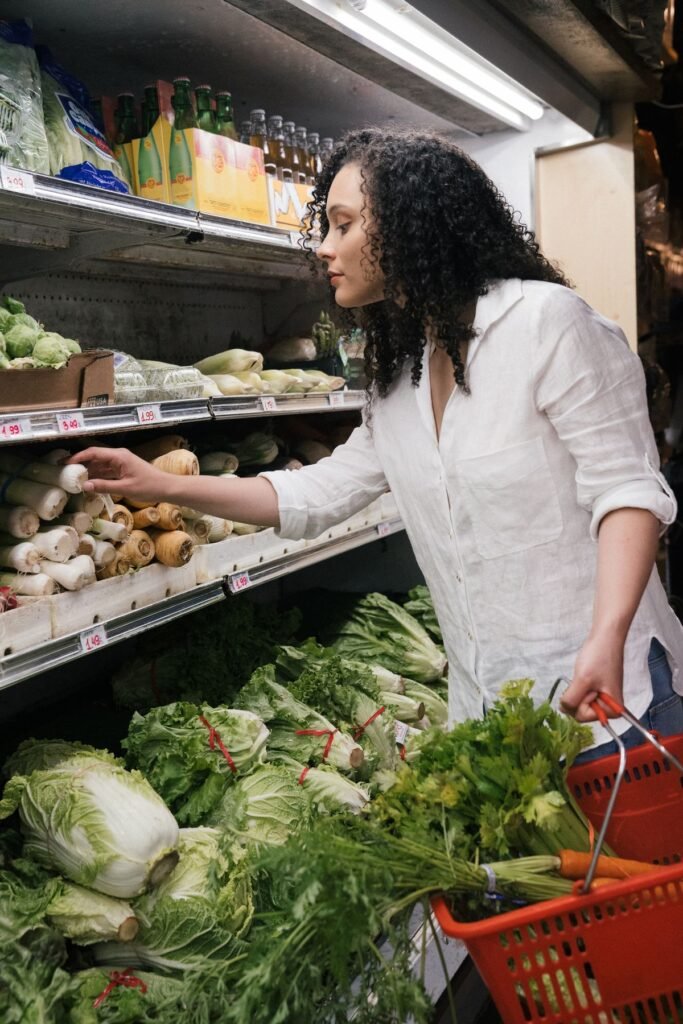
A good list follows the meals you planned, not the other way around. Group it by store section — produce, protein, grains, dairy — so you move through the store once and skip the aisles that tempt you. Put the foods you need most at the top and check them off as you go. Shop mostly around the edges of the store, where fresh food lives, and visit the middle aisles only for staples such as rice, oats, and canned beans. Buy only the fresh food you will use before your next shop, and let frozen foods cover the rest. If a recipe calls for one fresh herb, look for a small bunch or a dried version instead of a large pack that will wilt in the fridge.
Stock Up on Low-Cost Staples
A stocked pantry makes healthy eating on a budget much easier, because you can build a meal from what you have instead of ordering in. Keep brown rice, oats, whole wheat pasta, canned tomatoes, canned beans, lentils, and peanut butter on hand. In the freezer, keep frozen vegetables, frozen berries, and a loaf of whole grain bread. Frozen vegetables are picked and frozen at their peak, they cost less than fresh out of season, and they never go limp in the crisper drawer. Store-brand foods are another easy win: store-brand oats, beans, and frozen vegetables are usually the same quality as name brands for a lower price. Buy these staples when they are on sale, if you have room to store them.
Batch Cooking Saves Time and Money
Cooking once and eating twice is one of the simplest forms of healthy eating on a budget. Make a large pot of soup, chili, or lentil stew on the weekend, eat some for dinner, and pack the rest for lunches. Cook a big batch of brown rice or quinoa and use it in different meals across the week: a grain bowl on Monday, a stir-fry on Wednesday, and a soup on Friday. Roast a tray of vegetables and add them to wraps, salads, and pasta. Batch cooking also cuts the temptation to order food when you are tired, because a good meal is already waiting in the fridge. Store leftovers in clear containers at the front of the fridge so you can see them, and label them with the date.
Cheap Protein Sources That Work
Protein is often the most expensive part of a meal, but some of the best sources are also the cheapest. Beans and lentils cost only a fraction of meat per serving, and they bring fiber with them. Eggs are low in cost and work for breakfast, lunch, or dinner. Canned tuna and sardines keep for months and make quick sandwiches and salads. Chicken thighs and drumsticks usually cost less than chicken breast, and tofu and tempeh are budget-friendly as well. Try one or two meat-free dinners each week, built around beans or lentils, and put the money you save toward fresh produce. If you eat meat, buy larger packs when they are on sale and freeze portions for later.
Cut Food Waste
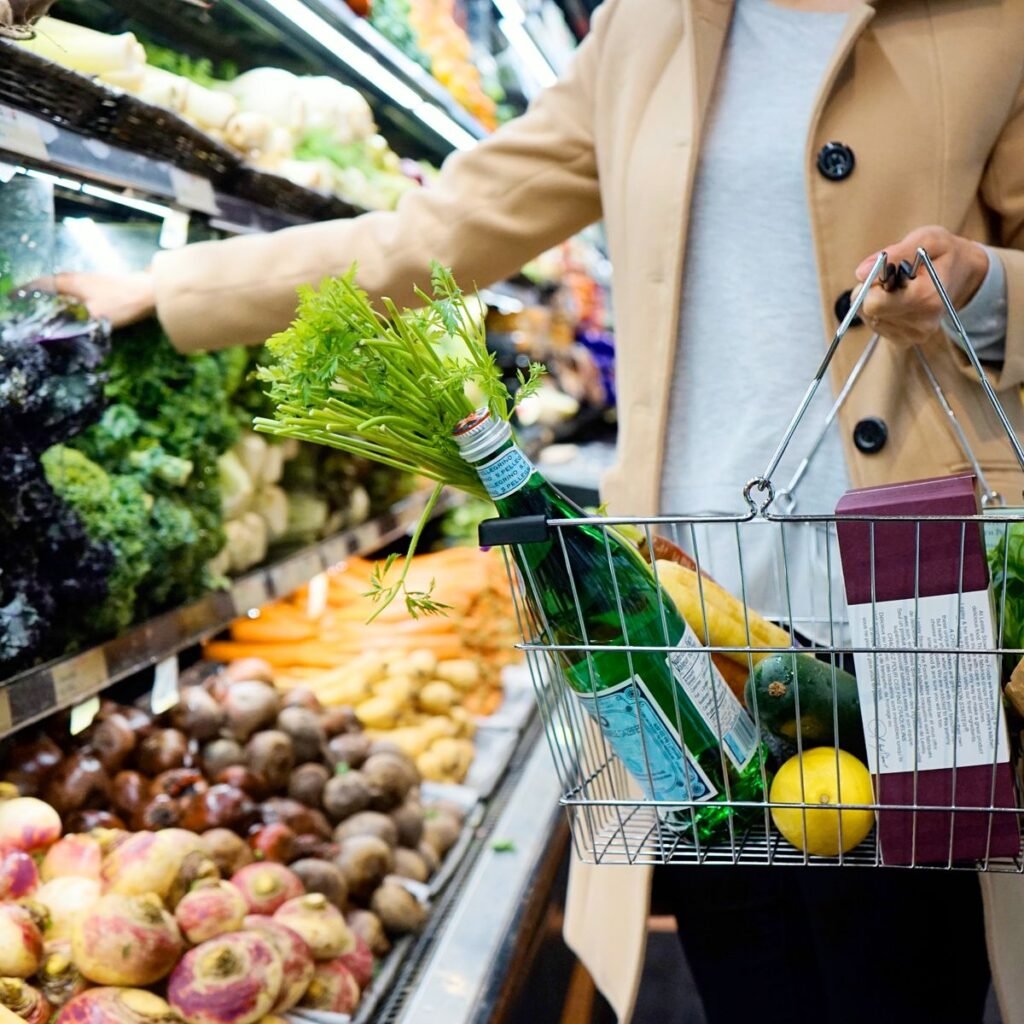
Food waste is money in the bin. Use the foods that spoil first, such as leafy greens and berries, early in the week, and save carrots, cabbage, and apples for later. Turn leftover vegetables into soup, stir-fry, or an omelet, and turn stale bread into croutons or breadcrumbs. Freeze bread, bananas, and herbs before they go bad, and keep leftovers where you can see them. A quick check of the fridge before you shop stops you from buying a second bag of salad greens when one is already wilting at home. Even small cuts in waste add up to real savings across a month.
Habits That Keep Costs Down
Healthy eating on a budget is a set of habits, not a single trick. Plan your meals, shop with a list, keep low-cost staples on hand, cook in batches, and use what you buy. Start with one habit and add another when it feels easy. If you are new to building balanced meals, our guide to balanced diet basics shows how to put a healthy plate together, and you can explore more ideas in our Healthy Eating guides. Learn more about Nutriova on our About Us page. Small changes in how you shop and cook can make good food affordable, week after week.
This article shares general information only and is not medical advice. Please see our Disclaimer for more details.
Pingback: Everyday Superfoods and How to Add Them to Your Meals
Pingback: Reading Food Labels: What to Check First | Nutriova
Pingback: Meal Prep Basics: A Simple Weekend Plan for Busy Weeks
Pingback: Healthy Snack Ideas for Busy Days | Nutriova