
Key Vitamins and Minerals Your Body Uses Every Day
Key vitamins and minerals are nutrients your body needs in small amounts to work well. They support energy, bones, immunity, muscles and many other everyday jobs, yet the body cannot make most of them — they have to come from food. This guide explains six key vitamins and minerals — vitamin D, vitamin B12, iron, calcium, magnesium and vitamin C — what each one generally supports, which foods provide it, and when it is worth talking to a doctor. It is general information only, not personal advice.
What Are Key Vitamins and Minerals?
Vitamins are organic compounds found in plants and animals, while minerals are inorganic elements that come from soil, water and the foods that absorb them. Both are called micronutrients because the body needs only small amounts, but small does not mean unimportant — even a modest shortfall can leave you feeling tired or run down. A varied diet usually covers most needs, and that is why food comes first. For reliable, detailed facts about any nutrient, the NIH Office of Dietary Supplements is a trusted source written for the public.
Vitamin D
Vitamin D is often called the sunshine vitamin because the skin makes it when exposed to sunlight. It generally supports bone health by helping the body use calcium, and it also plays a role in immune function. Food sources include fatty fish such as salmon, egg yolks and foods with added vitamin D, such as fortified milk and cereals. Many people do not get enough, especially in winter or when they spend most of their time indoors. If you are concerned, a blood test through your doctor is the only reliable way to know your level.
Vitamin B12
Vitamin B12 helps the body make red blood cells and keep nerves healthy, and it plays a part in turning food into energy. It is found almost only in animal foods — meat, fish, eggs and dairy — so people who eat little or no animal food need to pay attention. A shortage can develop slowly and cause tiredness or tingling, but these symptoms have many causes, so self-diagnosis is not wise. If you follow a vegetarian or vegan diet, or you feel unusually tired, ask your doctor whether testing makes sense.
Iron
Iron carries oxygen around the body in red blood cells, which is why low iron is often linked with tiredness and weakness. Good sources include red meat, beans, lentils, tofu and dark leafy greens. Vitamin C helps the body absorb iron from plant foods, so pairing beans with peppers or citrus is a smart habit. Iron is one nutrient where more is not better — too much can be harmful — so never take iron supplements unless a doctor has tested you and advised it.
Calcium
Calcium is best known for building and maintaining strong bones and teeth, and it also helps muscles contract and nerves send signals. Dairy foods such as milk, yogurt and cheese are the richest sources, while leafy greens, almonds and fortified plant milks also provide it. Vitamin D helps the body absorb calcium, which is one reason the two are often mentioned together. Getting calcium from food is the usual advice; supplements are a personal matter to discuss with a doctor.
Magnesium
Magnesium is involved in hundreds of processes in the body, including muscle and nerve function, energy production and keeping bones strong. It is found in nuts, seeds, whole grains, beans and leafy greens — the same foods that appear in a varied, plant-rich diet. Because magnesium is spread across so many everyday foods, a balanced diet usually provides it. Signs of a true shortage are uncommon, and testing is the way to confirm one rather than guessing from symptoms alone.
Vitamin C
Vitamin C supports the immune system, helps the body make collagen for skin and connective tissue, and improves iron absorption from plant foods. Citrus fruits, strawberries, bell peppers, broccoli and tomatoes are all good sources, and most people get enough from food. Vitamin C dissolves in water and is not stored in large amounts, so a regular intake through meals matters more than a single large dose. Fresh and frozen fruit and vegetables both count.
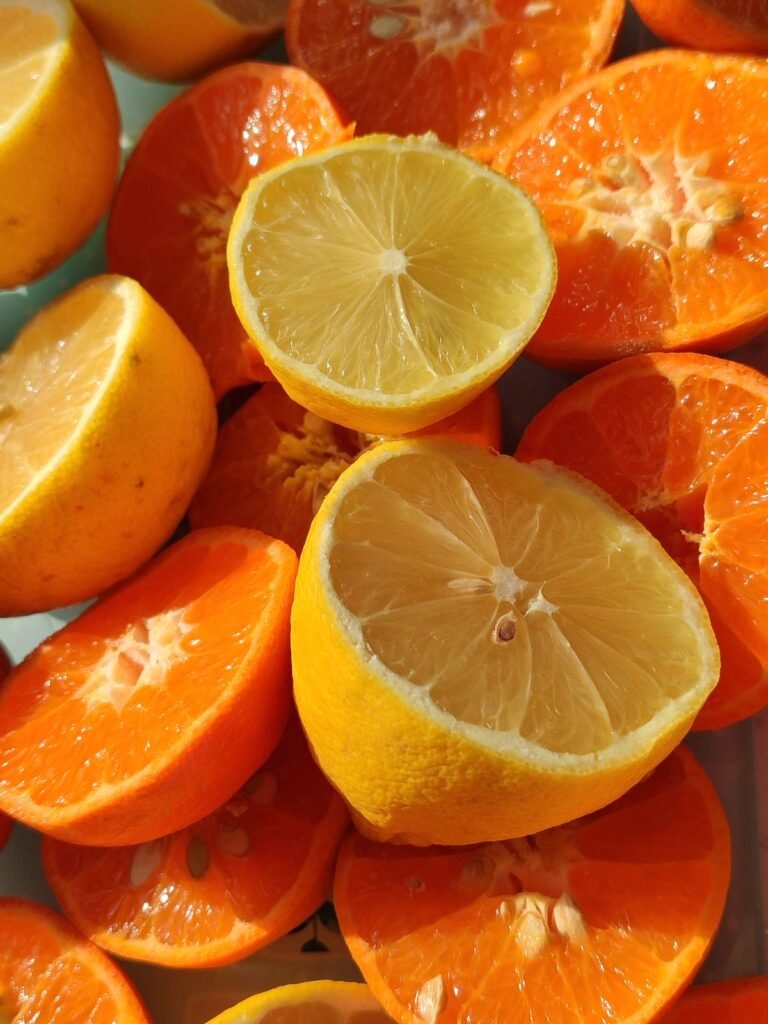
Food First: Getting Key Vitamins and Minerals From Meals
The simplest way to cover these nutrients is to eat a varied diet with plenty of color. Different foods bring different nutrients, so a plate with vegetables, fruit, whole grains and a protein source usually covers several at once. Our guide to everyday superfoods shows how nutrient-dense foods fit into ordinary meals, and you can explore more in our Vitamins & Wellness guides. Cooking at home, even a few times a week, also makes it easier to include the foods that provide these nutrients.
Supplements: Talk to Your Doctor First
Supplements can be useful when a doctor finds a real shortfall, but they are not a shortcut to a healthy diet and they are not one-size-fits-all. Some supplements interact with medicines, and taking high amounts of certain vitamins or minerals can cause harm. Blood tests, your age, your diet and any health conditions all matter, so the decision is personal. If you think you might be low in something, ask your doctor about testing before buying a supplement — and bring the product to your appointment so they can check it.
A Quick Way to Remember Them
It helps to think of these nutrients by the foods that carry them: orange and red produce for vitamin C, leafy greens for calcium and magnesium, beans and lentils for iron and magnesium, dairy or fortified foods for calcium and vitamin D, and fish or eggs for B12 and vitamin D. If your meals regularly include foods from each group, you are already covering the basics.

Key vitamins and minerals do quiet, essential work in your body every day, and food is the best place to get them. Vitamin D, B12, iron, calcium, magnesium and vitamin C each have their own job, and a varied diet with plenty of whole foods covers most of them. If something feels off, or you wonder whether you are getting enough, your doctor is the right person to ask. Learn more about Nutriova on our About Us page.
This article shares general information only and is not medical advice. Please see our Disclaimer for more details.
Pingback: Hydration Habits: How Much Water to Drink Each Day