Nuts and Seeds Nutrition: Small Foods With Big Benefits
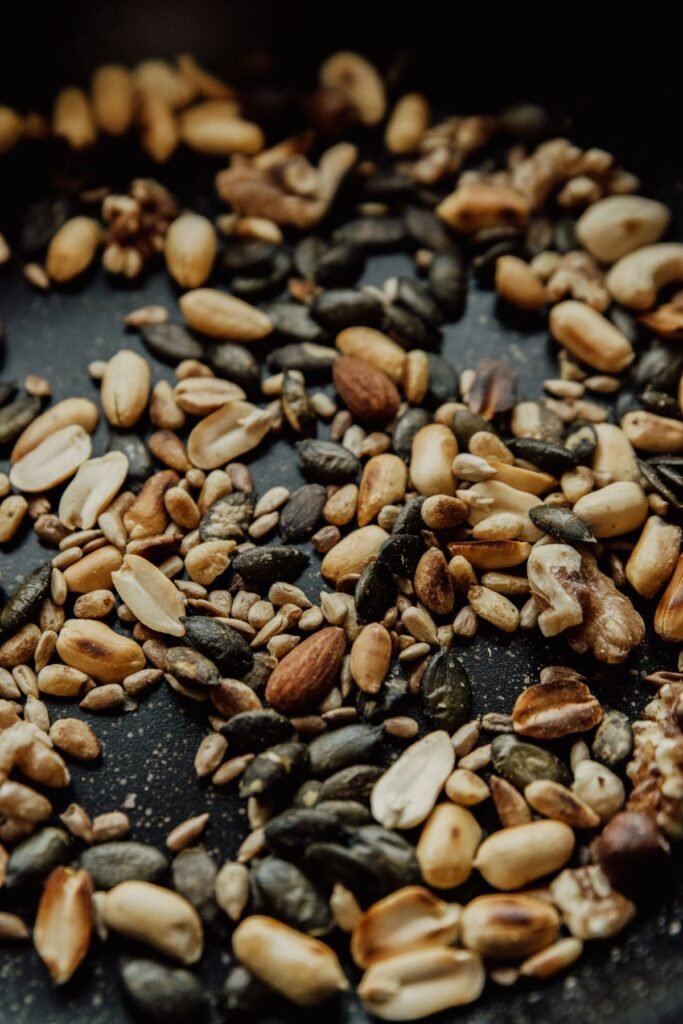
Nuts and seeds nutrition starts with a simple idea: a small handful of these foods packs a surprising amount of good things into a tiny package. Almonds, walnuts, chia seeds, flax seeds, and pumpkin seeds each bring their own mix of healthy fats, fiber, protein, and minerals to your plate. They are easy to keep on hand, need no cooking, and work in dozens of meals and snacks. This guide explains what makes them useful, how to enjoy them in sensible portions, and how to store them so they stay fresh.
Why Nuts and Seeds Earn Their Reputation
Nuts and seeds are small, but they are packed with nutrients. Most of them offer healthy fats, the kind that help your body absorb vitamins and keep you feeling full after a meal. They also bring fiber, plant protein, and minerals such as magnesium, zinc, and vitamin E, depending on the type. Unlike many snack foods, which are mostly refined starch and salt, nuts and seeds give you a mix of nutrients with every bite. That is why they are often described as nutrient dense: a small amount delivers a lot. They are not magic foods, and no single food can carry a whole diet, but as part of varied meals they add real value. A balanced plate still needs vegetables, whole grains, fruit, and a source of protein, and nuts and seeds fit neatly into that pattern as a topping or a snack.
Almonds, Walnuts, Chia, Flax, and Pumpkin Seeds
Each of the best-known nuts and seeds has its own strengths, and you do not need to eat all of them every day. Pick two or three you enjoy and rotate them through the week:
- Almonds: a good source of vitamin E and magnesium, with a mild, crunchy flavor that works in snacks and baking.
- Walnuts: rich in plant-based omega-3 fats, with a soft texture that fits salads and oatmeal.
- Chia seeds: tiny seeds that absorb water and form a gel, useful in puddings, smoothies, and baking.
- Flax seeds: a good source of fiber and plant omega-3 fats; ground flax is easier for the body to use.
- Pumpkin seeds: crunchy and mild, offering magnesium, zinc, and iron in general terms.
A Small Handful Goes a Long Way
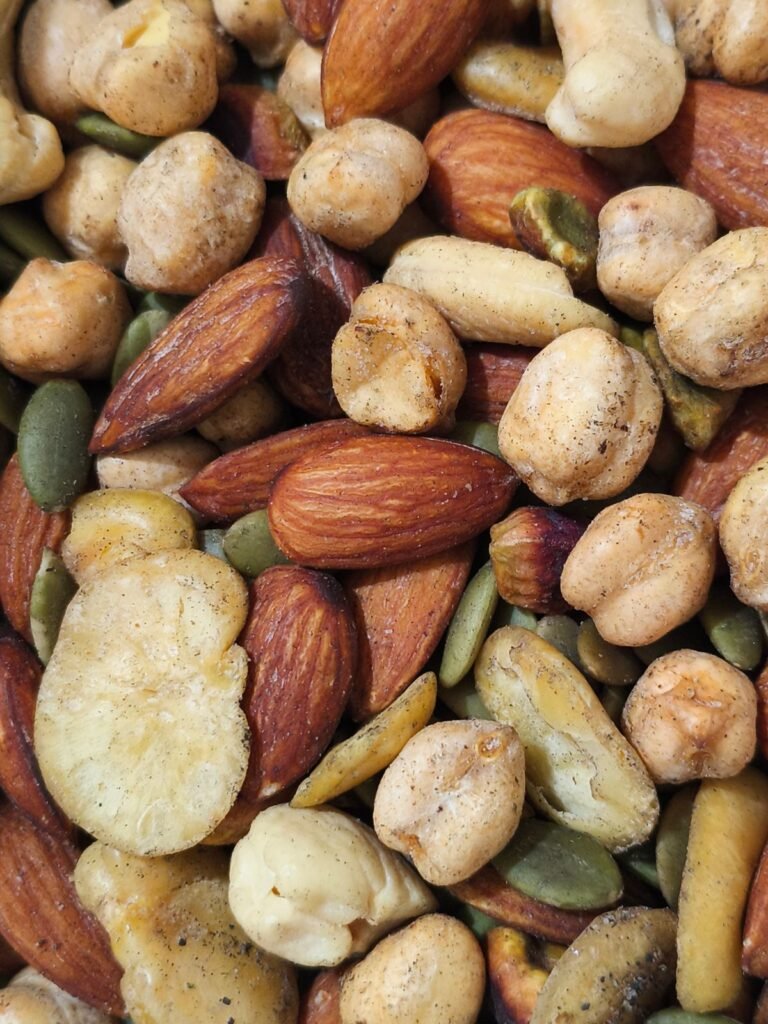
Nuts and seeds are energy dense, which means a small portion contains a good number of calories. A small handful — about an ounce — is a sensible portion for most people, and it is easy to eat more than you planned when the bag is open. Try measuring a portion once or twice to see what it looks like, then use a small bowl instead of eating from the bag. If you are watching your intake, pre-portioned snack bags or a small container help you keep portions steady without thinking about it. Remember that amounts vary from person to person, so if you are unsure what portion suits you, talk with your doctor or a registered dietitian.
Easy Ways to Use Nuts and Seeds Every Day
The easiest way to enjoy nuts and seeds more often is to add them to foods you already make. Sprinkle chopped walnuts over oatmeal or yogurt, stir chia seeds into a smoothie, or scatter pumpkin seeds over a salad for crunch. A spoonful of peanut or almond butter on whole grain toast makes a quick, filling snack, and a trail mix of nuts, seeds, and dried fruit travels well in a desk drawer or a gym bag. You can also use them in cooking: crushed nuts make a coating for baked chicken or fish, and ground flax can replace a small part of the flour in muffins. Keep it simple — a spoonful here and a sprinkle there is enough. Our guide to Everyday Superfoods has more ideas for adding these foods to your meals.
Storage Tips to Keep Them Fresh
Nuts and seeds contain oils, and those oils can turn stale if they sit in a warm pantry for months. Keep them in airtight containers in a cool, dark place, and use them within a few weeks of opening. For longer storage, the refrigerator or freezer works well and keeps the oils fresh for months. If they smell sharp or bitter, or taste stale, it is time to replace them. Buying smaller bags more often beats buying a large bag that goes stale before you finish it. Whole nuts tend to keep longer than chopped ones, and ground flax should be stored in the refrigerator once opened, since its oils are more delicate.
A Note on Allergies
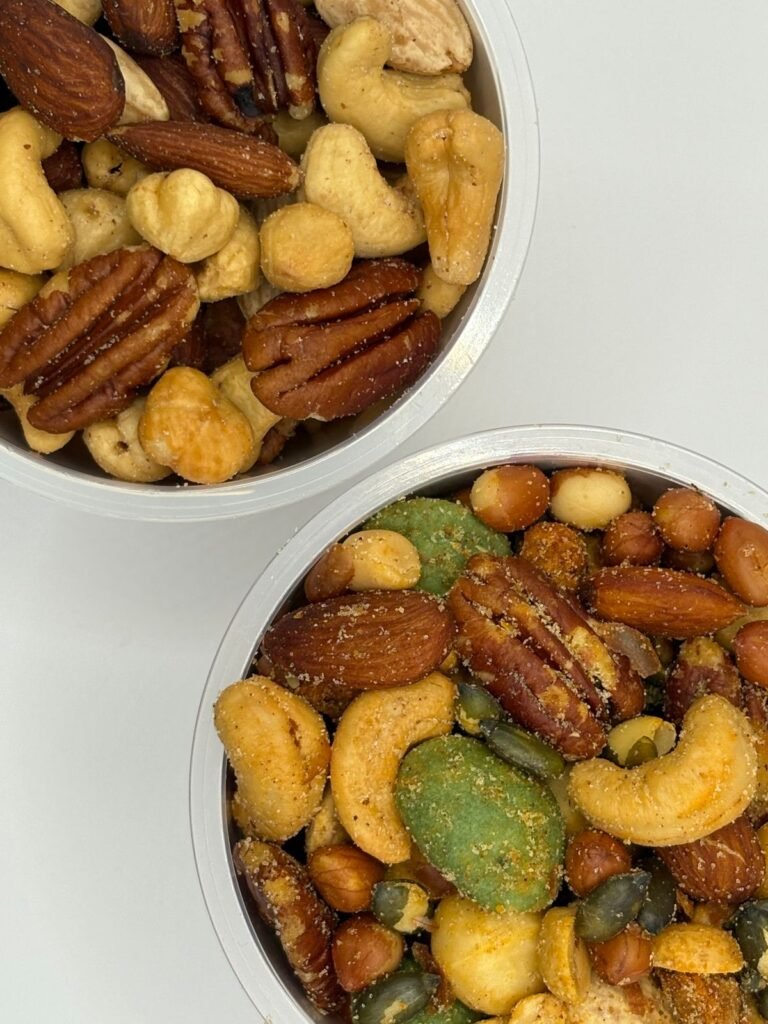
Nut allergies are common, and they can be serious, so take them seriously. If you are cooking for guests or packing snacks for a group, ask about nut allergies first, and check labels for warnings about nuts or shared equipment. If you have a nut allergy yourself, seeds such as pumpkin and sunflower are often suggested as an alternative, but talk with your doctor before trying a new food if you have had a reaction before. This is general information only, not personal medical advice, and anyone with a known allergy should follow the guidance of their own doctor.
Nuts and Seeds Nutrition: Pairing Them With Other Foods
Pairing nuts and seeds with other foods makes them even more useful. Try yogurt topped with sliced almonds and berries, or a salad with walnuts, apples, and leafy greens for a mix of crunch and color. In baking, ground flax and chopped nuts add flavor to muffins and breads without much extra effort. Because nuts and seeds are rich in healthy fats, they also help a meal feel satisfying, which can keep you from feeling hungry again an hour later. Combining them with fruit, vegetables, and whole grains gives you a variety of nutrients in one meal.
Conclusion
Nuts and seeds nutrition is easy once you know the basics: choose a few you enjoy, keep portions to a small handful, and sprinkle them into meals and snacks you already make. They are small foods with big benefits in general terms, and they make everyday eating a little more interesting. For more ideas, explore our Superfoods articles, and learn more about us on our About Us page.
This article shares general information only and is not medical advice. If you have questions about your diet, talk with your doctor or a registered dietitian. You can also read our Disclaimer.