
Balanced Diet Basics: How to Build a Healthy Plate Every Day
Learning balanced diet basics is the simplest way to eat well without counting every calorie or following a strict set of rules. A balanced diet is not about perfection or cutting out foods you enjoy. It is about giving your body a steady mix of nutrients from different food groups, most of the time, in amounts that match how active you are. When you understand what a healthy plate looks like, you can build good meals at home, at work, or when you eat out. This guide explains the balanced plate, what each food group does, what a sample day can look like, and the swaps and mistakes that matter most.
What a Balanced Plate Looks Like
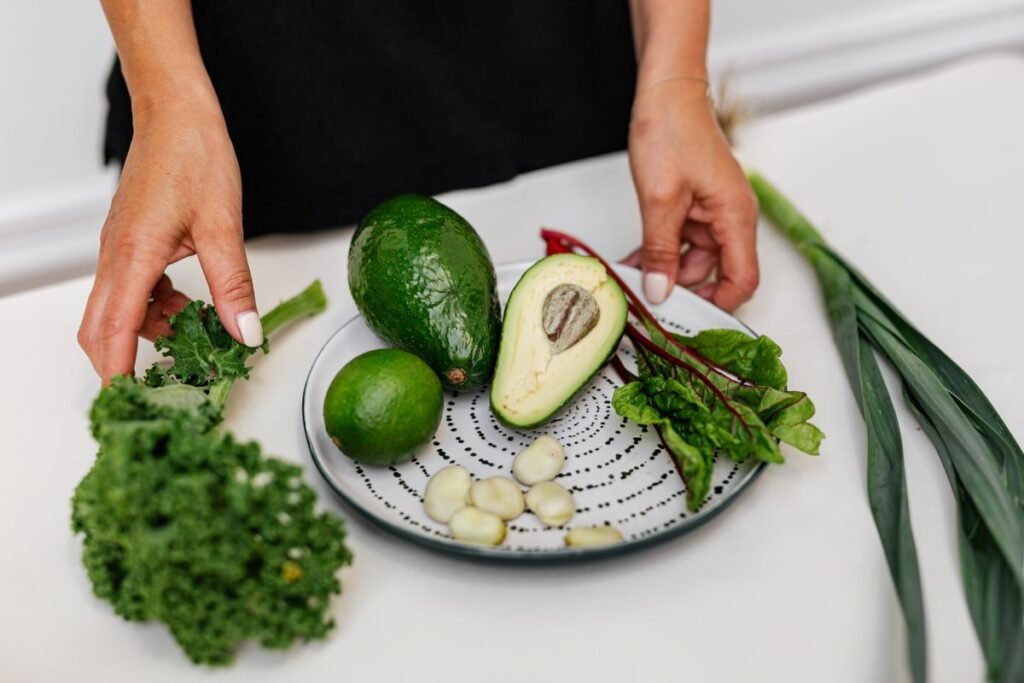
Picture your plate divided into sections. About half of the plate holds vegetables and fruit, about a quarter holds protein foods, and about a quarter holds whole grains or other starchy foods. This is the same idea behind the USDA MyPlate guide, which uses the plate as a simple picture instead of a long list of numbers. The idea is not to measure every meal with a ruler. It is to check, at a glance, whether your plate has a little of everything your body needs. Some meals will lean more in one direction, and that is normal. What matters is the pattern across the whole day and the whole week.
What Each Food Group Does for You
Every food group has a job, and a balanced diet works like a team. When one group is missing, the meal is less satisfying and less nourishing.
Vegetables and Fruit
Vegetables and fruit supply fiber, water, and a wide range of vitamins and minerals, and they add color and flavor for relatively few calories. Fiber helps digestion and helps you feel full after a meal. Different colors usually mean different nutrients, so a mix of greens, orange vegetables, red fruit, and berries gives you a broader range than the same one or two foods every day. Fresh, frozen, and canned vegetables can all work. If you choose canned foods, look for low-sodium options and rinse beans before you use them.
Protein Foods
Protein foods help build and repair muscle and tissue, and they help meals feel satisfying. This group includes meat, poultry, fish, eggs, beans, lentils, tofu, nuts, and seeds. Fish such as salmon also provides omega-3 fats. Beans and lentils are useful because they count as both a protein food and a vegetable, and they are low in cost. Aim for a palm-sized portion of protein at most meals, and vary your choices across the week rather than eating the same protein at every meal.
Whole Grains
Whole grains supply steady energy and fiber. This group includes whole wheat bread, brown rice, oats, quinoa, barley, and whole grain pasta. The word whole matters: whole grains keep the fiber-rich outer layer that refined grains lose. A simple way to tell is to look for the word whole as the first ingredient on the label. Start the day with oats or whole grain toast, choose brown rice instead of white rice when you can, and try one new whole grain each month.
Dairy and Calcium-Rich Foods
Dairy foods such as milk, yogurt, and cheese provide calcium and protein, and many are fortified with vitamin D. Calcium helps keep bones and teeth strong. If you do not eat dairy, fortified plant milks, calcium-set tofu, leafy greens, and canned sardines with soft bones can also provide calcium. Choose low-fat or fat-free options most of the time, and watch out for flavored yogurts and milks that add a lot of sugar.
A Sample Day of Balanced Meals
Here is what a balanced day can look like in real life. The portions are only a guide, and you can adjust them to your appetite and activity level.
Breakfast: Oatmeal made with milk, topped with sliced banana and a spoonful of peanut butter, plus a glass of water. The oats give you whole grains and fiber, the milk adds protein and calcium, and the banana and peanut butter add flavor and staying power.
Lunch: A whole grain wrap filled with grilled chicken, lettuce, tomato, and cucumber, with an apple on the side. Half the plate is vegetables and fruit, a quarter is protein, and a quarter is the whole grain wrap.
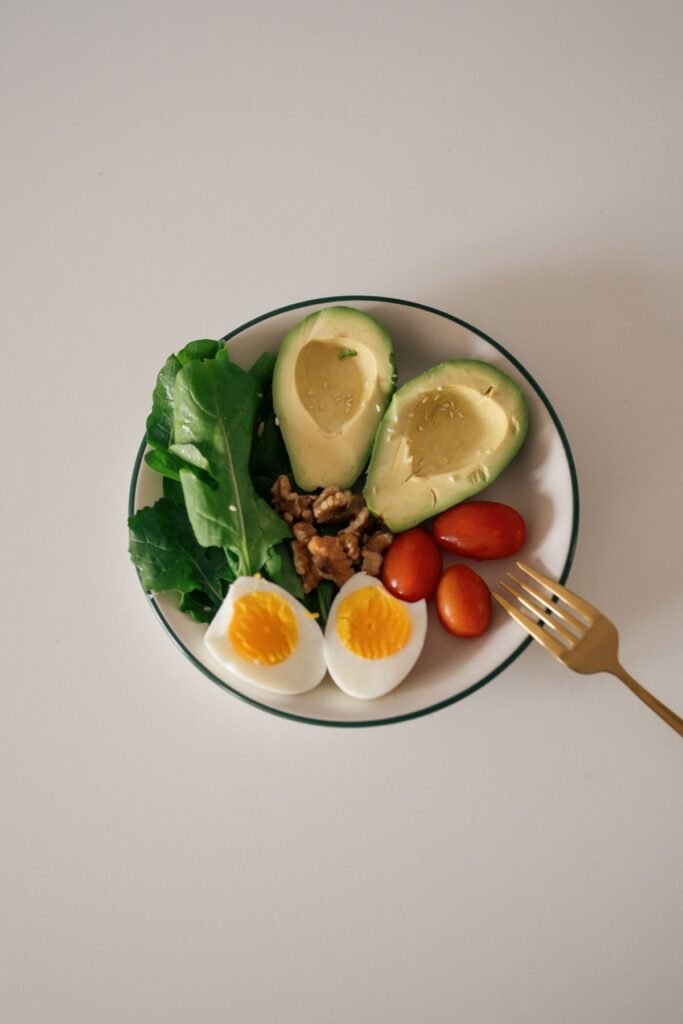
Snack: A small handful of nuts and a cup of grapes, or carrot sticks with hummus.
Dinner: Baked salmon, brown rice, and a large serving of steamed broccoli and carrots. This is the balanced plate in action: half vegetables, a quarter protein, and a quarter whole grains.
Simple Swaps That Make a Difference
Small swaps are easier to keep than big changes. Swap white bread for whole wheat bread, soda for sparkling water with a slice of lemon, and a fried side for a baked or steamed one. Add a handful of spinach to a smoothie or a pasta sauce, and you add nutrients without changing the flavor much. When you want a snack, try popcorn, fruit with yogurt, or a small handful of nuts instead of a bag of chips. If you are working on healthy eating on a budget, many of these swaps save money too, because beans, lentils, oats, and frozen vegetables cost less than most processed snacks.
Common Mistakes to Avoid
One common mistake is skipping meals and then eating a very large meal late in the day. Your body handles food better when you eat at fairly regular times. Another is drinking your calories: sweetened drinks, flavored coffees, and juice can add a lot of sugar without making you feel full, so water is the simplest choice most of the time. A third mistake is labeling foods as simply good or bad. Most foods can fit into a balanced diet in the right amount and on the right occasion.
Start With One Plate
Balanced diet basics come down to one picture: half vegetables and fruit, a quarter protein, and a quarter whole grains, most of the time. Learn more about Nutriova and our simple approach to food on our About Us page. Start with one meal, try one swap, and build from there. Small, steady changes are the ones that last, and they add up to a way of eating that supports your energy and everyday wellbeing. For more ideas, explore our Nutrition Basics guides.
This article shares general information only and is not medical advice. Please see our Disclaimer for more details.
Pingback: Healthy Eating on a Budget: Simple Habits That Save Money
Pingback: Eat More Fiber: Simple Everyday Tips | Nutriova
Pingback: Magnesium-Rich Foods to Add to Your Plate | Nutriova
Pingback: Omega-3 Basics: What It Is and Where to Find It in Food
Pingback: Healthy Breakfast Ideas That Keep You Full Until Lunch