Fiber Basics: Easy Ways to Eat More Fiber Every Day
If you want to eat more fiber without overhauling your whole diet, the good news is that small, steady swaps add up fast. Fiber is the part of plant foods that your body does not fully break down, and it plays a quiet but important role in keeping digestion regular and meals feeling satisfying. Most people eat less fiber than they realize, yet adding more does not have to mean bland food or complicated rules. With a few everyday choices at breakfast, lunch, dinner, and snack time, you can build a plate that works a little harder for you, one meal at a time.
What Fiber Does for Your Digestion
Fiber adds gentle bulk to what you eat, and that bulk helps food move through your digestive system at a steady pace. When meals include enough fiber, you tend to feel full for longer after eating, which can make it easier to wait comfortably until the next meal. Fiber also feeds the friendly bacteria that live in your gut, and those bacteria break fiber down into compounds your body uses in everyday processes. In plain terms, fiber keeps things moving and helps you feel satisfied after a meal.
Fiber works best as part of an overall eating pattern, not as a single fix. A diet built on whole plant foods, regular meals, and enough water gives fiber the best chance to do its job. If most of your meals come from refined grains and packaged foods, adding one high-fiber food here and there still helps, but the benefit grows when fiber shows up often, across the whole day.
Soluble vs. Insoluble Fiber, in Simple Terms
Nutrition guides usually describe two kinds of fiber, and the difference is simple. Soluble fiber dissolves in water and forms a soft, gel-like texture as it travels through your gut. You find it in oats, beans, lentils, apples, pears, and barley. Insoluble fiber does not dissolve. It adds bulk and helps keep things moving, and you find it in wheat bran, the skins of fruits and vegetables, and many whole grains. Most plant foods contain a mix of both kinds.
A useful way to think about it is that soluble fiber slows things down a little, helping you feel full and steady, while insoluble fiber keeps the system moving. A plate with beans, whole grains, fruit with the skin on, and vegetables covers both bases without a chart or a calculator.
Everyday Foods That Are Naturally High in Fiber
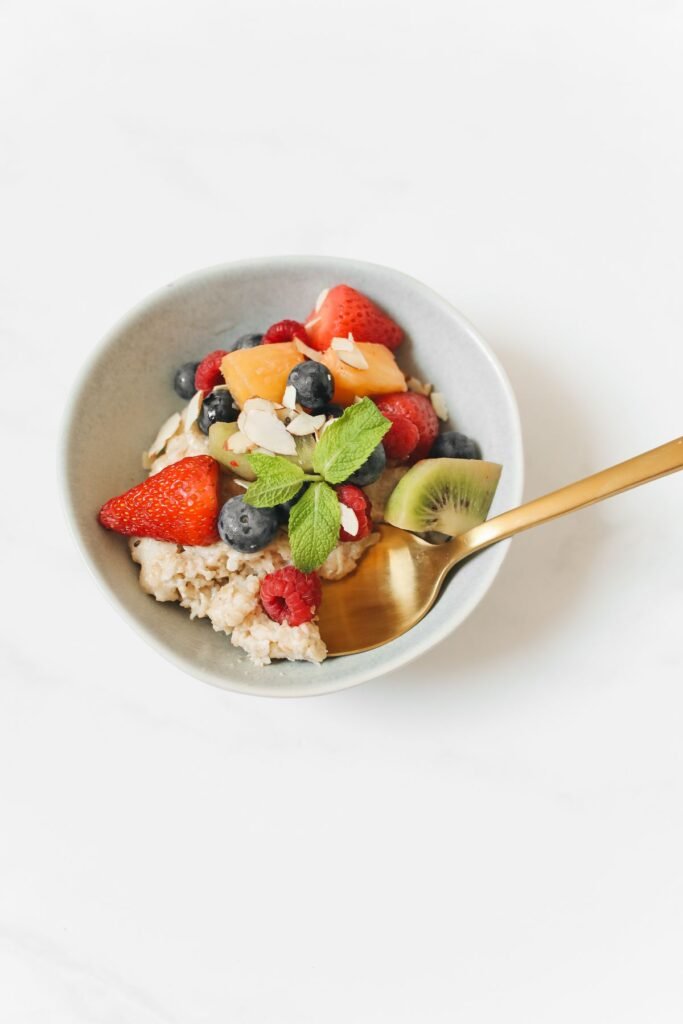
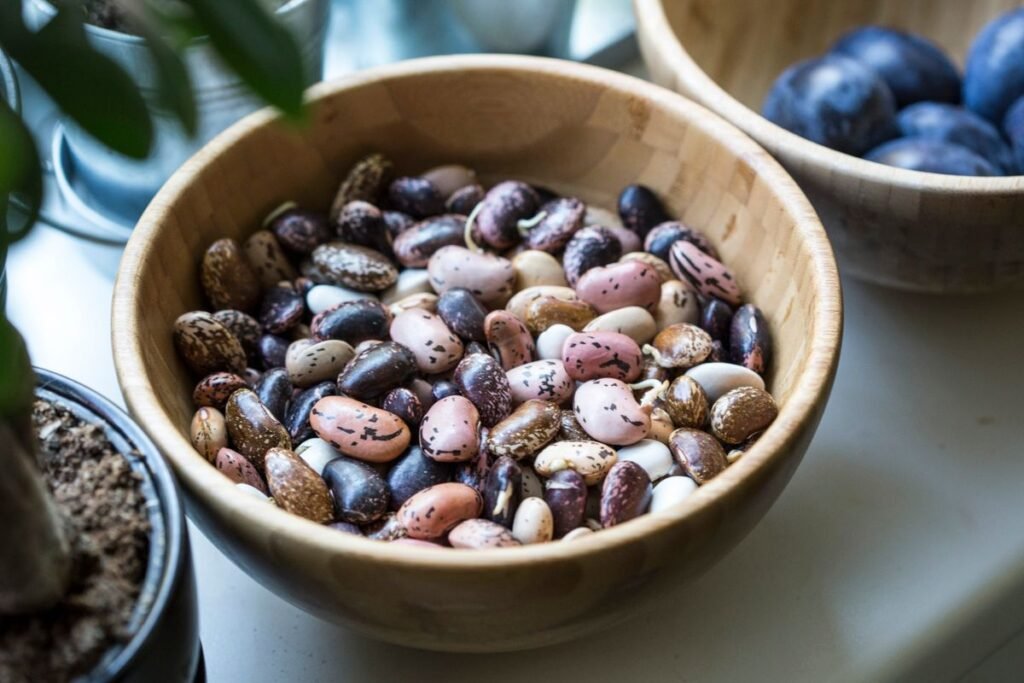
Some of the best fiber sources are foods you may already buy. Beans and lentils are among the richest sources, and they are also affordable and filling. A bowl of black bean soup or a lentil stew can add a generous amount of fiber to a single meal. Oats are another easy win: a bowl of oatmeal in the morning starts the day with soluble fiber, and oat-based snacks keep the pattern going.
Other everyday options include:
- Raspberries, blackberries, and pears, which bring fiber along with natural sweetness
- Whole grain bread, brown rice, and whole wheat pasta, which replace refined grains with more bulk
- Broccoli, carrots, Brussels sprouts, and sweet potatoes, which add fiber to lunch and dinner
- Popcorn, nuts, seeds, and hummus, which turn snack time into a fiber opportunity
How to Add Fiber Gradually (and Why Water Helps)
If your current meals are low in fiber, add it step by step rather than all at once. A sudden jump in fiber can leave you feeling gassy or bloated, which is a common and usually short-lived response while your gut adjusts. Try one change at a time: swap white bread for whole grain bread for a week, add beans to a salad, or stir berries into your morning oats. Give each change a few days before adding the next one.
Water matters just as much as the fiber itself. Fiber absorbs water as it moves through your gut, so drinking enough water helps it do its job smoothly. Keep a glass or bottle nearby, and drink water with high-fiber meals. If you increase fiber but stay low on fluids, you may feel the opposite of what you hoped for, so let the two habits grow together.
A Sample Day of Fiber at Every Meal
A day that helps you eat more fiber does not need special recipes. Here is one simple pattern you can adapt to the foods you already like.
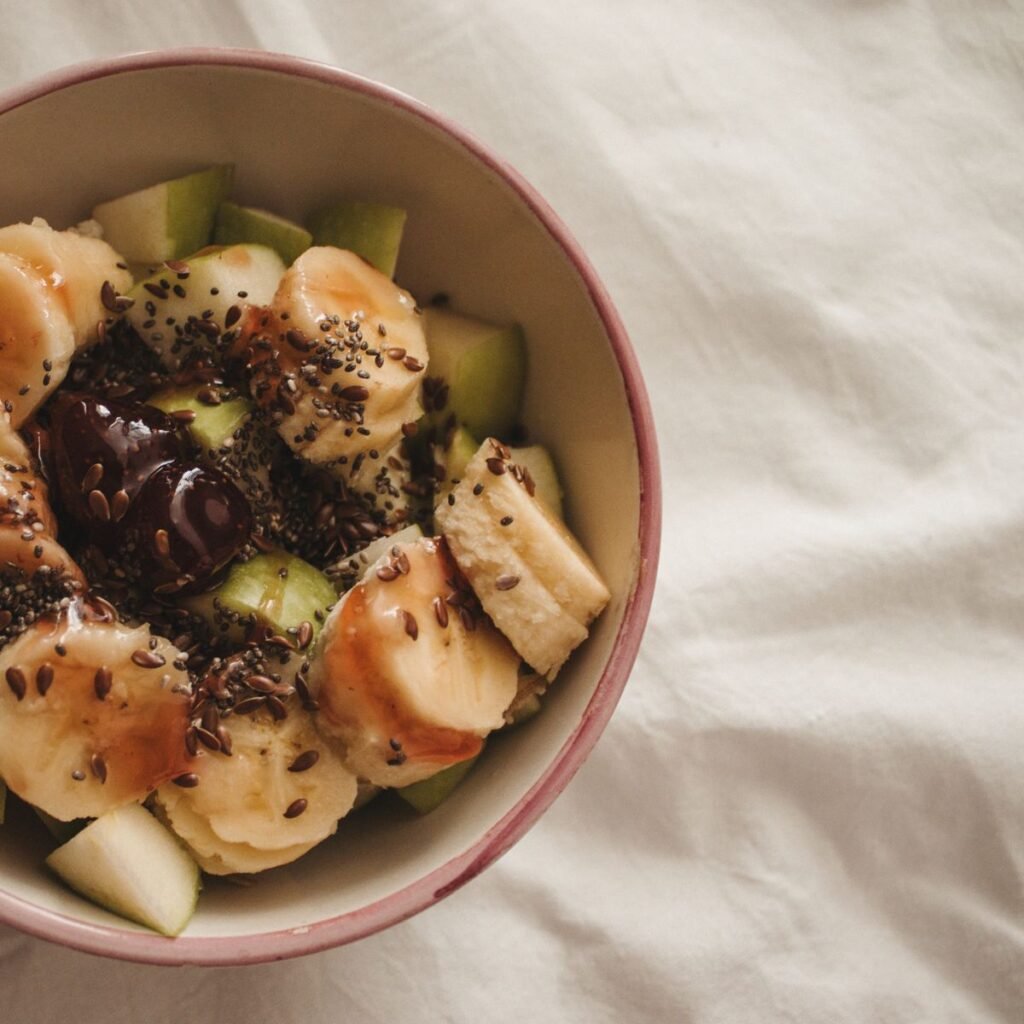
- Breakfast: oatmeal made with rolled oats, topped with sliced banana, berries, and a spoonful of ground flaxseed, plus a glass of water.
- Lunch: a whole grain wrap filled with black beans, lettuce, tomato, and avocado, with an apple on the side.
- Snack: a small handful of almonds with a pear, or carrot sticks with hummus.
- Dinner: a bowl of lentil soup with a slice of whole grain bread and a side of roasted broccoli.
Every meal in this day includes a plant food with fiber, and none of it requires cooking skills beyond the basics. Swap in foods you enjoy: chickpeas instead of black beans, barley instead of rice, or raspberries instead of a banana. The pattern matters more than any single ingredient.
Simple Swaps That Help You Eat More Fiber
Small swaps can lift the fiber in a meal without changing it much. Choose whole grain bread instead of white, brown rice instead of white rice, and whole wheat pasta instead of regular pasta. Leave the skin on potatoes, apples, and cucumbers when you can, since much of the fiber sits right there. Add a spoonful of chia seeds or ground flaxseed to smoothies, yogurt, or oatmeal.
Look at your plate and ask one question: is there a plant food here? If the answer is yes, you are already on track. Over time, these small choices become habits. You do not need to count grams every day. For a full guide to building balanced plates, see our Balanced Diet Basics article.
Conclusion
Learning to eat more fiber is one of the simplest upgrades you can make to everyday meals. Start with foods you already like, and drink water along the way. A bowl of oats in the morning, beans at lunch, and vegetables at dinner can quietly change how your meals feel. Explore more ideas in our Nutrition Basics articles, and learn more about who we are on our About Us page.
This article shares general information only and is not medical advice. If you have questions about fiber or digestion, talk with your doctor or a registered dietitian. You can also read our Disclaimer.