Green Leafy Vegetables: Simple Ways to Eat More Greens
If you want one easy upgrade for your meals, green leafy vegetables are a good place to start. Spinach, kale, romaine, and Swiss chard are affordable, widely available, and easy to tuck into dishes you already make. You do not need to love salads or change your whole diet to eat more greens. A handful in a smoothie, a few leaves in a soup, or a bed of romaine under dinner is enough to make a real difference to the week. This guide covers what these greens offer, how to use them, and how to make them taste good enough that you actually want seconds.
What Counts as a Green Leafy Vegetable?
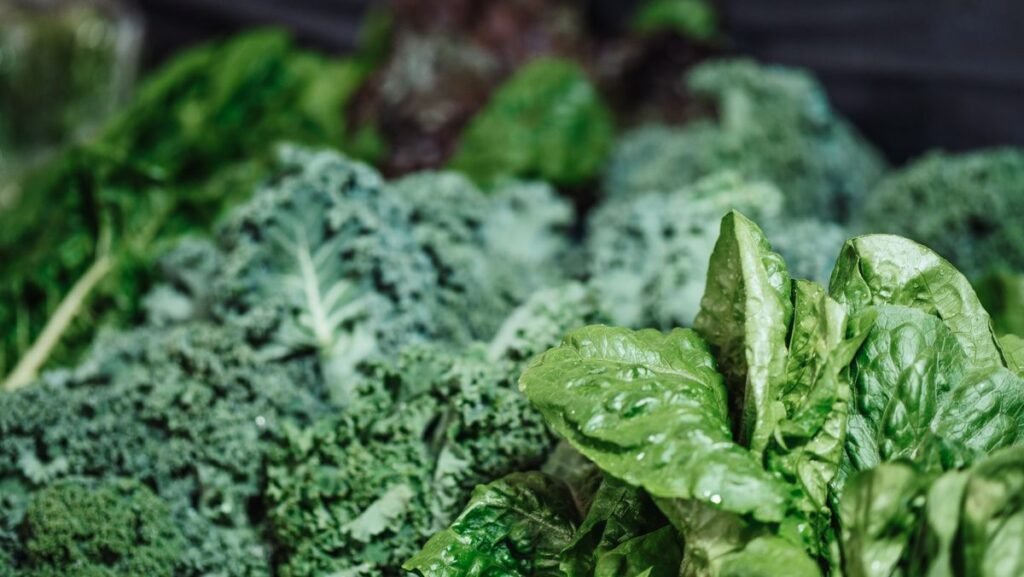
Green leafy vegetables are the edible leaves of plants, and the family is bigger than most people think. Spinach is the soft, mild one, easy to wilt into pasta, soups, and egg dishes. Kale is sturdier, with curly or flat leaves that stand up to roasting and massaging into salads. Romaine is the crisp, familiar lettuce of Caesar salads and sandwich wraps, with a mild flavor and a satisfying crunch. Swiss chard brings broad, tender leaves and colorful stems, and it cooks down quickly in a pan with garlic and a little olive oil. Collard greens, a staple in Southern cooking, are large, sturdy leaves that cook down into a tender, savory side dish. Other members of the group include mustard greens and arugula, each with its own flavor and texture, so there is a green for nearly every taste.
What Is Inside All Those Greens?
Leafy greens are known as nutrient-dense foods, which means they pack a lot of nutrition into very few calories. They generally provide vitamin K, folate, and vitamin C, along with minerals such as calcium, iron, and magnesium, plus fiber that supports digestion. Spinach and kale are especially noted for their range of vitamins and plant compounds, while romaine adds hydration and crunch with a lighter nutrient load. Cooking changes the picture a little: heat can reduce some vitamins, while it makes other nutrients easier for the body to use, so both raw and cooked greens have a place at the table. The exact amounts vary by vegetable, season, and how the greens are grown and cooked, so variety matters more than chasing a single best green.
Simple Ways to Eat More Greens
The easiest way to eat more greens is to add them to meals you already enjoy. A few ideas:
In Smoothies
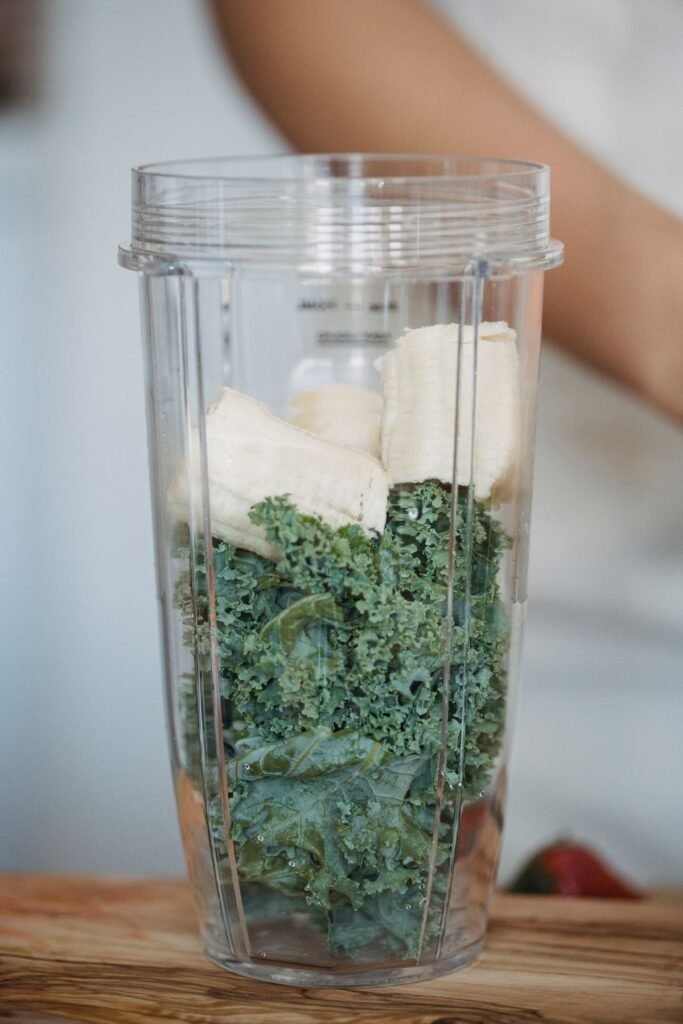
Smoothies are one of the simplest ways to eat more greens, especially if the taste of raw kale puts you off. A handful of spinach disappears into a smoothie with banana, berries, and yogurt, and the fruit hides most of the green flavor. Start with about a cup of spinach and a spoonful of seeds, then add fruit and liquid until you like the taste. For kale, remove the tough stems and use the leaves, which blend more smoothly. Frozen greens work too, and they are handy to keep on hand.
In Salads and Wraps
Salads are the classic home for greens, but a few tricks make them more enjoyable. Mix baby spinach with romaine for a softer, crunchier base, and add something sweet, something salty, and something crunchy, such as apple slices, cheese, and nuts. For kale, rub the leaves with a little olive oil and salt for a minute before adding toppings; the leaves soften and the flavor mellows. Wraps are another easy option: lay romaine or chard leaves flat, fill them with beans, rice, and toppings, and roll them up.
In Soups and Eggs
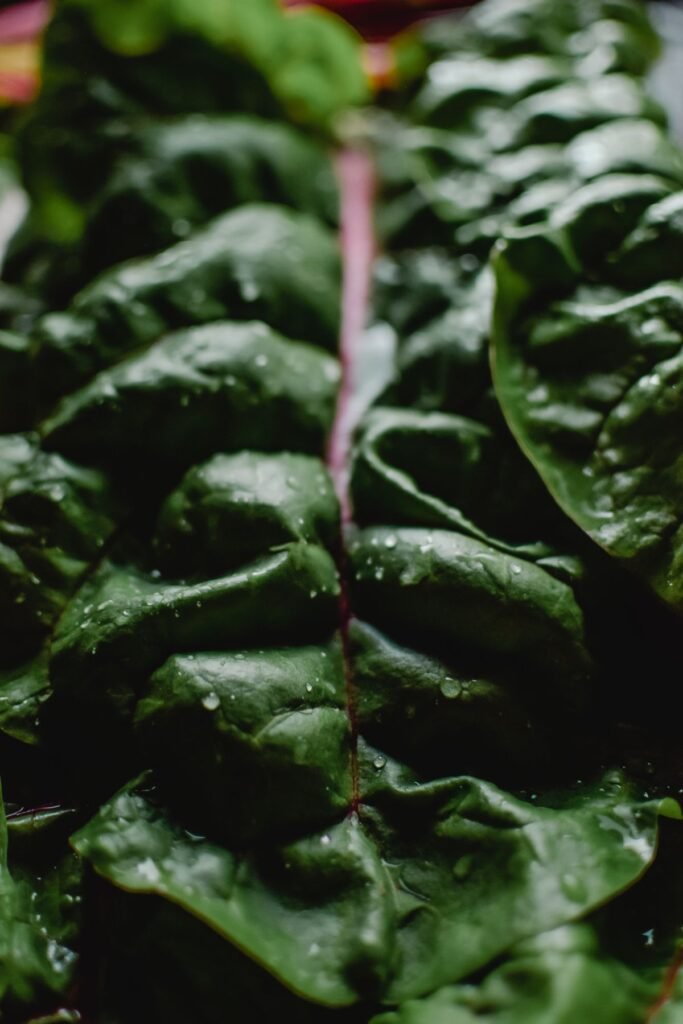
Cooked greens are worth getting to know. Stir spinach or chard into soup, stew, or pasta in the last few minutes of cooking, and the leaves wilt into the dish without taking over. Add chopped greens to an omelet or scrambled eggs with a little cheese, or sauté them with garlic as a side dish. Greens also work well in grain bowls: place a bed of spinach under hot rice or quinoa, and the steam wilts it gently. These cooked uses are forgiving, and they let you use up greens before they wilt in the fridge.
Washing and Storing Greens
Fresh greens last longer with a little care. Wash leaves in a large bowl of cold water, lift them out rather than pouring the water away, and repeat if the water looks sandy. Dry them well, because wet leaves wilt and spoil faster; a salad spinner helps, or you can pat them dry with a clean towel. Store washed, dry greens in a container lined with a paper towel, and they will usually keep for several days. Buy only what you can use within a few days, and keep unwashed greens in the crisper drawer until you are ready to use them.
Making Greens Taste Good
Greens taste best with a little help. A squeeze of lemon, a drizzle of olive oil, and a pinch of salt transform plain spinach into a side dish worth eating. Garlic, ginger, and chili flakes add warmth, while a spoonful of nuts or seeds adds crunch. Pair bitter greens like kale or mustard greens with something rich or sweet, such as a creamy dressing, roasted sweet potatoes, or dried fruit, and the flavors balance out. A warm pan, a little fat, and an acid like lemon juice or vinegar are the three things that make greens shine. Start with mild greens if you are new to them, and let your taste adjust over time; most people find that greens they once avoided become a habit they enjoy.
A Greener Plate, One Leaf at a Time
Adding greens to your meals does not require a new diet or a special shopping trip. A leafy green in a smoothie, a salad at lunch, or a handful of spinach in soup adds up across the week. Keep a few kinds on hand, wash and store them well, and season them with things you already like. Try one new green each week and see which ones your household likes best. Small, steady habits are what make greens a lasting part of your meals, and your plate will be greener and more varied for it. For more superfood ideas, see our guide to Everyday Superfoods and How to Add Them to Your Meals, browse the Superfoods category, or read the About Us page.
This article is for general information only and is not medical advice. For personal guidance, talk to your doctor or a registered dietitian. See our Disclaimer.