
Protein Basics: How Much Protein Do You Need Each Day?
If you have ever wondered how much protein do you need each day, you are not alone. Protein is one of the three macronutrients your body uses for energy and growth, alongside carbohydrates and fat, and it plays a part in nearly every system that keeps you going. The good news is that most people can meet their needs with ordinary foods, with no special products required.
What Protein Does in Your Body
Protein is built from smaller units called amino acids, and your body uses them as building blocks. Muscles, skin, hair, and nails all rely on protein for growth and repair, and it also helps make the enzymes and hormones that keep everyday processes running smoothly. When you eat protein, your body breaks it down into amino acids and reassembles them into the proteins it needs. Some amino acids, known as essential amino acids, must come from food. That is why variety matters: different foods supply different combinations of amino acids, and a mixed diet covers more ground than any single food.
Where to Find Protein in Everyday Foods
Protein shows up in a wide range of familiar foods, and most people already eat several good sources without thinking about it. You do not need exotic ingredients or expensive products. A mix of animal and plant foods usually covers the bases nicely, and plant foods bring fiber along too.

Animal Sources
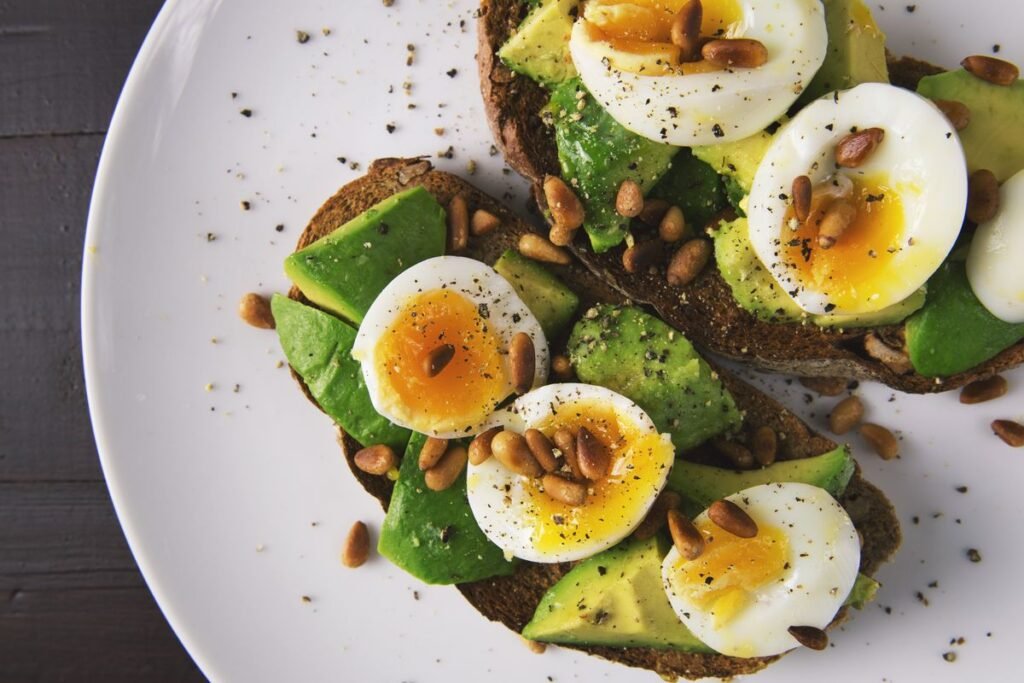
Animal foods are known for providing complete protein, which means they contain all nine essential amino acids in useful amounts. Eggs are one of the most versatile choices, easy to cook in minutes and useful at any meal. Dairy foods such as Greek yogurt, cottage cheese, and milk add protein along with calcium. Fish and seafood, including salmon and tuna, offer protein plus other nutrients, while poultry and lean meats are classic dinner-table sources.
Plant Sources
Plants can absolutely carry their share of the protein load. Beans, lentils, and chickpeas are affordable, filling staples that also bring fiber to the table, and soy foods such as tofu, tempeh, and edamame are among the most protein-rich plant options. Nuts and seeds, including almonds, walnuts, and pumpkin seeds, add protein to snacks, salads, and oatmeal. Pairing different plant foods, for example beans with rice or hummus with whole-grain bread, helps cover a broader range of amino acids.
How Much Protein Do You Need?
This is the question at the heart of the guide, and the honest answer is that it depends. General nutrition guidance often starts from body weight: a commonly used reference range for healthy adults is around 0.8 to 1.0 grams of protein per kilogram of body weight per day, or roughly 0.36 to 0.45 grams per pound. A person weighing 70 kilograms, about 154 pounds, might use a general reference range of roughly 56 to 70 grams per day as a starting point. These are general reference ranges, not personal prescriptions. Daily needs vary with body size, age, activity level, and life stage. Active people and older adults who want to maintain muscle often sit toward the higher end of general ranges, while less active adults may need less. If you have a health condition or a specific goal, a doctor or registered dietitian can help you find the range that makes sense for you.
Spreading Protein Across the Day
Total daily protein matters, but how you spread it out can make meals more satisfying. Many people eat very little protein at breakfast, a moderate amount at lunch, and a large portion at dinner. Shifting some of that protein earlier in the day often makes mornings feel easier. A breakfast with eggs, Greek yogurt, or nut butter on whole-grain toast gives the day a steadier start. At lunch, beans, lentils, tuna, or leftover chicken can anchor a salad or grain bowl.
Signs You Might Be Falling Short
Most people who eat a varied diet get enough protein, but a few everyday signs are worth noticing if your meals have become very light on protein. Feeling hungry again soon after eating, even after a full plate, can be one clue. Slow recovery after workouts can be another, though many factors can cause these things. A diet built mostly on refined grains, sugary snacks, and soft drinks, with little in the way of beans, eggs, dairy, fish, or meat, is the pattern most likely to fall short. If your meals lean that way, adding one protein-rich food to each meal is a gentle place to start.
Protein Myths Worth Letting Go Of
Protein advice attracts its share of myths. One of the most common is that more is always better. In reality, your body uses what it needs for repair and maintenance, and very large amounts do not automatically build more muscle or help health. Another myth is that plant foods cannot provide enough protein; with a varied plant-based diet that includes beans, lentils, soy foods, nuts, seeds, and whole grains, most people can meet general needs comfortably. Protein powders can be convenient, but ordinary foods do the same job, and many people do fine without them. Finally, there is the idea that protein is only a concern for athletes. Everyone needs protein, because it supports everyday maintenance of the body’s tissues.
Building a Protein-Smart Plate
You do not need a calculator at the table to eat well. A simple pattern works: fill about a quarter of your plate with a protein source, half with vegetables or salad, and the remaining quarter with a whole grain or starchy vegetable, with a piece of fruit or a dairy food on the side. That balanced-plate approach, which we describe in detail in our guide to Balanced Diet Basics: How to Build a Healthy Plate Every Day, makes protein an easy, automatic part of the meal instead of a chore. For more ideas, browse our Nutrition Basics category, and learn more about how we work on the About Us page.
A Simple Takeaway
Protein does not have to be complicated. Eat a mix of animal and plant sources, spread them across the day, and let general reference ranges guide you rather than rule you. Needs vary from person to person, and that is normal. Focus on real meals, add a protein food to each one, and pay attention to how full and steady you feel.
This article is for general information only and is not medical advice. For personal guidance, talk to your doctor or a registered dietitian. See our Disclaimer.