Meal Prep Basics: A Simple Weekend Plan for Busy Weeks
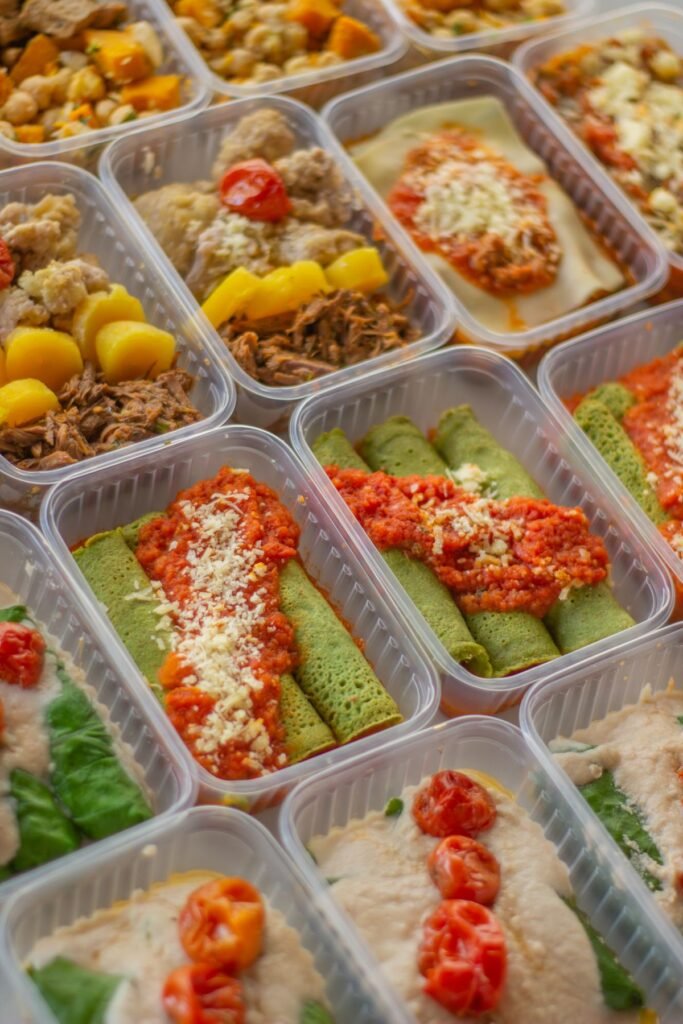
If busy weekdays leave you reaching for takeout more often than you would like, meal prep basics can change the rhythm of your week. Meal prep simply means cooking some food ahead of time, so that healthy meals are ready when you need them. A short weekend session, often just an hour or two, can fill the fridge with building blocks for lunches and dinners. You do not need fancy equipment, a rigid schedule, or hours in the kitchen. This guide walks through a simple weekend plan: pick a menu, shop once, batch-cook the basics, and store everything safely, so the rest of the week mostly takes care of itself.
Start With a Simple Menu Plan
Every good meal prep session starts with a small plan, not a big one. Choose three or four meals you actually enjoy eating, and build the week around them. Repeat a favorite lunch twice rather than cooking five different ones, and let one dinner do double duty as the next day’s lunch. Write the menu down on paper or in your phone, and keep it visible on the fridge so the plan stays in sight. When you plan first, the shopping list writes itself, and you buy only what the plan needs, which saves money as well as time.
One Grocery List, One Trip
With the menu set, make one grocery list and stick to it. Group the list the way the store is laid out: produce first, then proteins, then grains and pantry items, so you move through the store once instead of circling back. Buy a few versatile ingredients that work in more than one meal, such as chicken, rice, and a mix of vegetables, instead of a long list of one-use items. One focused trip is usually enough, and skipping extra midweek runs saves more time than any single cooking shortcut.
Batch-Cook the Building Blocks
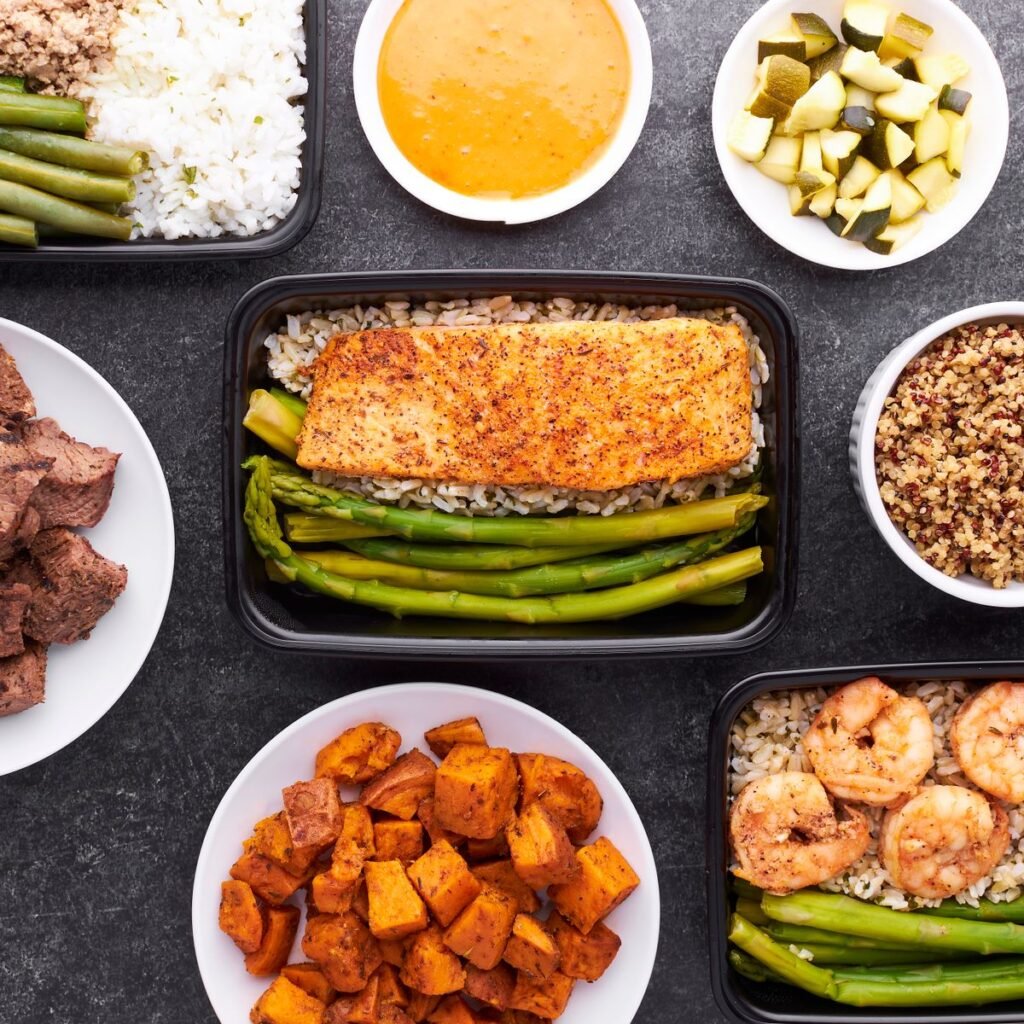
The heart of meal prep basics is batch cooking: making a larger amount of a few foods at once and mixing them into different meals. Think in building blocks rather than finished dishes. Cook a big pot of grains, roast a tray of vegetables, and prepare two proteins, and you can combine them into bowls, wraps, and salads all week. While the grains simmer, the oven can roast vegetables, and a sheet pan can cook chicken or tofu at the same time, so one hour of cooking can cover several meals.
Grains That Hold Up Well
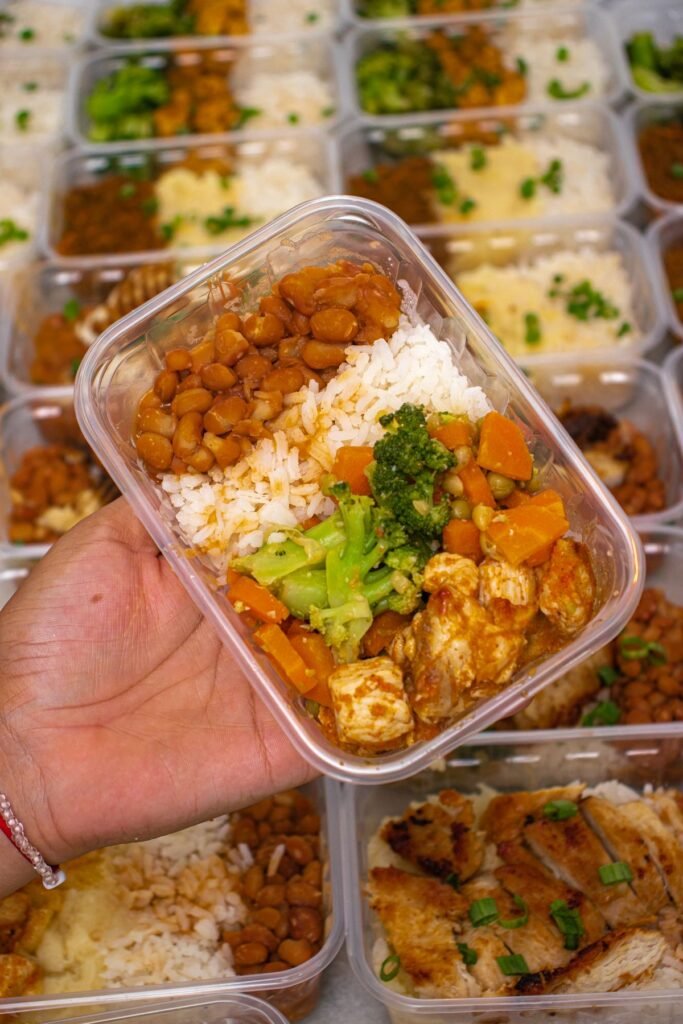
Rice, quinoa, and pasta are reliable starting points because they keep well and reheat nicely. Cook them just until tender, then spread them on a tray to cool for a few minutes before packing, so they do not turn mushy in the container. A large batch on the weekend gives you a base for grain bowls, stir-fries, and side dishes through the week.
Proteins and Vegetables
For proteins, choose two that you like and that cook easily in quantity: chicken breasts or thighs, ground turkey, tofu, beans, or hard-boiled eggs. Roast or grill them simply, and slice them after cooking so portions are easy to grab. For vegetables, roast sturdy ones such as carrots, broccoli, sweet potatoes, and green beans, which hold their texture after a few days in the fridge. Tender greens are better kept raw and added fresh, because they wilt quickly once cooked and stored.
Pack It Up: Containers and Storage
Good containers make meal prep work. Clear, airtight containers with lids let you see what is inside and keep food fresh, and using containers of a similar size helps them stack neatly in the fridge. Pack grains, proteins, and vegetables in separate containers when you can, so each stays at its best and you can mix and match through the week. If you prefer ready-to-eat lunches, pack a few complete boxes with a grain, a protein, and vegetables, or keep the parts separate and assemble at mealtime.
Food Safety Basics
A little care with food safety keeps prepared meals fresh and pleasant. Let hot food cool briefly, then refrigerate it promptly rather than leaving it on the counter for hours. Cooked meals generally keep well in the fridge for three to four days, so plan to eat what you cooked early in the week near the start of the week, and freeze anything meant for later days. Reheat food until it is hot all the way through, and give containers a quick look and sniff before eating; if something smells off or looks unusual, it is safest to let it go.
A Sample 3-Day Mini Plan
Here is a small three-day plan built from one weekend cooking session:
- Day 1: lunch is a rice bowl with chicken, roasted broccoli, and carrots; dinner is quinoa with beans and roasted sweet potatoes, plus a simple salad.
- Day 2: lunch is leftover chicken and rice wrapped in a whole-grain tortilla with salad greens; dinner is pasta with roasted vegetables and a side of beans.
- Day 3: lunch is a quinoa bowl with tofu, green beans, and carrots; dinner is the last of the roasted vegetables with eggs and toast.
Keep It Flexible
The best meal prep plan is the one you actually follow, so keep it flexible. Swap in a different vegetable when something is on sale, repeat a lunch you loved instead of cooking something new, or change the sauce or seasoning to make the same building blocks taste different. If a week is too busy even for a full session, prep just two things, like a pot of rice and a tray of roasted vegetables, and build around them. Small efforts count: even one or two ready meals take pressure off the week.
A Calmer Week Ahead
Meal prep basics come down to a simple rhythm: plan a small menu, shop once, cook a few building blocks, and store them well. The weekend session does not need to be long or perfect. It just needs to give your weekday self something good to reach for. Before long, the weekend session becomes a habit, and busy weeks feel calmer, cheaper, and a little more delicious. For more ways to make healthy eating affordable and practical, read our guide to Healthy Eating on a Budget: Simple Habits That Save Money, and browse our Healthy Eating category for more ideas, or learn about us on the About Us page.
This article is for general information only and is not medical advice. For personal guidance, talk to your doctor or a registered dietitian. See our Disclaimer.